Israeli Prime Minister Orders Escalation of Military Activities in Lebanon
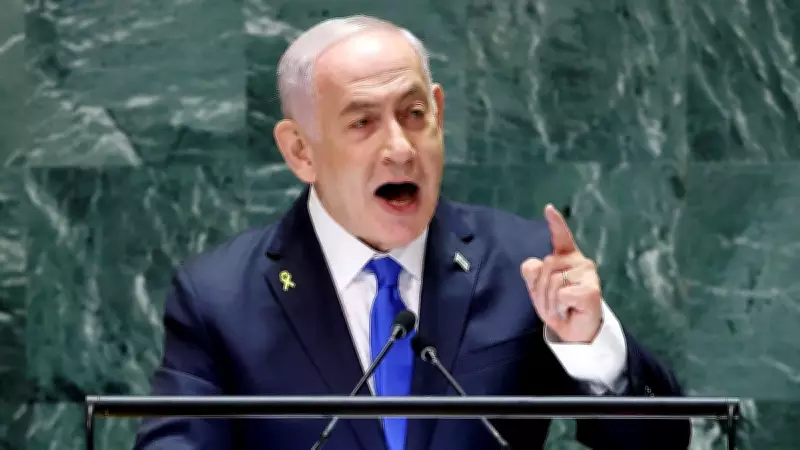
In a decisive move to address growing security threats, Israeli Prime Minister Benjamin Netanyahu has directed an expansion of military operations within Lebanon. This strategic escalation aims to quell the intensifying fury of the Iran-backed militant group Hezbollah, which has recently intensified its rocket assaults on Israeli territory.
Hezbollah's Retaliatory Strikes Follow US-Israel Air Campaign
The recent surge in hostilities traces back to a coordinated air strike campaign conducted by the United States and Israel against targets in Iran. In response to these military actions, Hezbollah initiated a series of rocket launches into northern Israel, marking a significant escalation in regional tensions. The group, known for its strong ties to Tehran, has historically leveraged such attacks to demonstrate its capability and resolve in the face of perceived aggression.
Netanyahu's directive underscores Israel's commitment to proactive defense measures amid the volatile security landscape of the Middle East. By broadening the scope of operations in Lebanon, Israeli forces seek to disrupt Hezbollah's infrastructure and deter future rocket barrages. This move is part of a broader strategy to safeguard Israeli civilians and maintain regional stability, even as diplomatic channels remain strained.

Regional Implications and Ongoing Conflict Dynamics
The expansion of Israeli operations into Lebanon carries profound implications for the already fragile geopolitical environment of West Asia. Hezbollah's role as a proxy for Iranian interests adds layers of complexity to the conflict, potentially drawing in other regional actors. Analysts warn that this escalation could trigger a wider confrontation, reminiscent of past clashes that have devastated communities on both sides of the border.
Israeli officials have emphasized that the military actions are strictly defensive, aimed at neutralizing immediate threats posed by Hezbollah's rocket capabilities. However, the move has sparked concerns about civilian casualties and the humanitarian impact in Lebanon, where Hezbollah maintains significant influence. The international community is closely monitoring the situation, with calls for restraint and de-escalation echoing from various capitals.
As of March 29, 2026, the conflict shows no signs of abating, with both sides preparing for potential further engagements. The timeline of events highlights the rapid deterioration of security following the US-Israel strikes on Iran, illustrating how regional conflicts can quickly spiral. Netanyahu's order reflects a calculated risk to assert Israeli sovereignty while navigating the intricate web of alliances and enmities that define Middle Eastern politics.