

Israel Escalates Military Strikes Against Hezbollah in Lebanon
In a significant development in the ongoing Middle East tensions, Israel has intensified its military strikes targeting Hezbollah positions in Lebanon. The Israeli government, under the leadership of Prime Minister Benjamin Netanyahu, has launched a series of aggressive operations aimed at weakening the Iran-backed militant group. This escalation marks a notable shift in Israel's defense strategy, with officials citing increased threats from Hezbollah's rocket attacks and cross-border incursions.
Netanyahu's Doctrine of Peace Through Strength
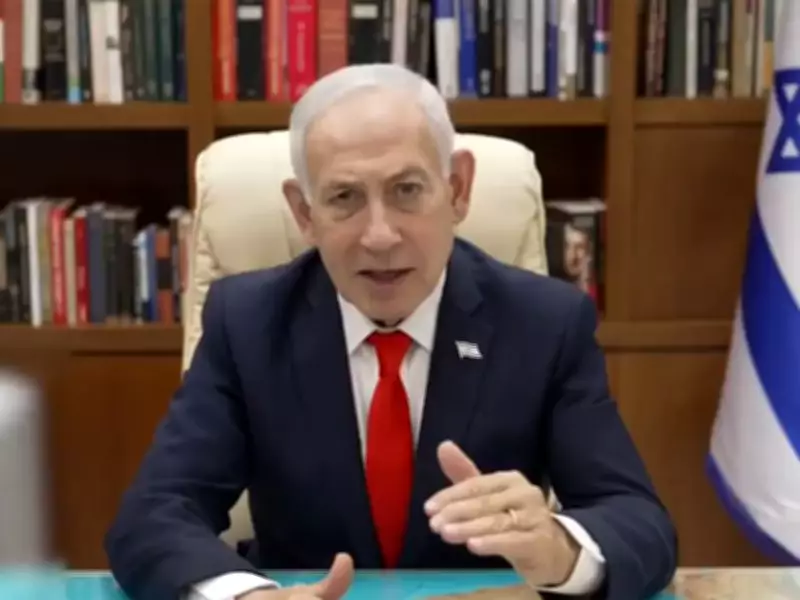
Prime Minister Netanyahu, in a recent address, articulated a firm stance on achieving regional stability. He emphasized that peace in the region can only be secured through a position of military strength and unwavering deterrence. "We believe that true peace is not born from weakness but from strength," Netanyahu stated, underscoring Israel's commitment to protecting its sovereignty and citizens. This philosophy aligns with his long-standing policy of confronting adversaries proactively to prevent future conflicts.
The intensified strikes have targeted Hezbollah's infrastructure, including:

- Weapons storage facilities
- Command and control centers
- Rocket launch sites near the Israeli border
Israeli defense forces report that these operations have significantly degraded Hezbollah's capabilities, though the group remains a potent threat. The military actions come amid rising concerns over Hezbollah's growing arsenal, which includes precision-guided missiles that could pose a direct threat to Israeli cities.
Regional and International Reactions
The escalation has drawn mixed reactions from the international community. While some nations have expressed support for Israel's right to self-defense, others have called for restraint to avoid a broader regional conflict. The United Nations has urged both sides to de-escalate tensions and engage in diplomatic dialogue. However, Netanyahu's government has maintained that military pressure is necessary to compel Hezbollah to cease its hostile activities.
Analysts note that this situation reflects the complex dynamics of the Middle East, where proxy wars and geopolitical rivalries often fuel instability. The conflict between Israel and Hezbollah is deeply rooted in historical animosities and regional power struggles, particularly involving Iran's influence in Lebanon.
Implications for Regional Security
The intensified strikes raise important questions about the future of security in the region. If the conflict escalates further, it could lead to:
- Increased civilian casualties on both sides
- Disruption of economic activities in Lebanon and Israel
- Potential involvement of other regional actors, exacerbating tensions
Netanyahu's strategy of "peace through strength" is being closely watched by global observers. While it may bolster Israel's short-term security, critics argue that it could undermine long-term peace efforts by hardening positions and reducing opportunities for negotiation. The Israeli Prime Minister, however, remains steadfast, asserting that only a strong military posture can deter adversaries and pave the way for sustainable peace.
As the situation evolves, the world awaits further developments, hoping for a resolution that prioritizes stability and minimizes human suffering. The ongoing strikes serve as a stark reminder of the fragile peace in the Middle East and the challenges of navigating conflicts in a volatile geopolitical landscape.






