

Israel Announces Major Escalation with Plan for Southern Lebanon Security Zone
In a significant escalation of hostilities, Israel declared on Tuesday that its military intends to establish control over southern Lebanon up to the Litani River, creating a "security zone" to counter Hezbollah. This move marks a dramatic shift in Israel's campaign, as it publicly outlined plans to seize nearly a tenth of Lebanese territory for defensive purposes.
Israeli Defense Minister Details Buffer Zone Strategy
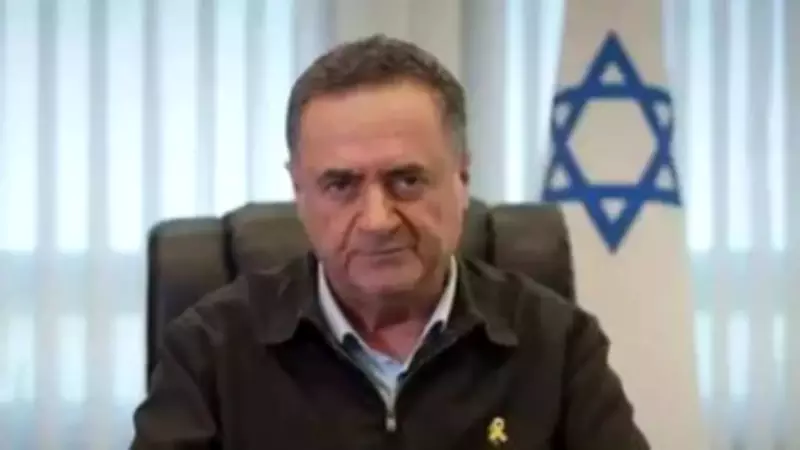
Israeli Defense Minister Israel Katz explicitly stated that the military "will control... the security zone up to the Litani," approximately 30 kilometers (20 miles) from the border. He emphasized that displaced Lebanese residents would not be permitted to return south of the river until security is assured for northern Israel. Katz compared this strategy to Israel's operations in Gaza, citing areas like Rafah and Beit Hanoun as models for clearing and demolishing border regions to push threats away from communities.
Katz further explained that Israeli forces are establishing a "forward defensive line," targeting Hezbollah-linked infrastructure and demolishing buildings near the border. Since March 13, Israel has destroyed five bridges over the Litani River and accelerated the demolition of homes in Lebanese border villages, actions that under international law are generally prohibited when targeting civilian infrastructure.

Hezbollah Vows Resistance as Strikes Intensify
Hezbollah responded by vowing to resist any Israeli occupation of southern Lebanon, labeling it an "existential threat" to the Lebanese state. Senior Hezbollah lawmaker Hassan Fadlallah asserted, "We have no choice but to confront this aggression and cling to the land." The group has claimed regular attacks on Israeli troops in strategic locations such as Khiam and Qawzah.
Israeli strikes continued across Lebanon on Tuesday, targeting areas in the south, east, and near Beirut, following overnight bombardment of the capital's southern suburbs. An AFP photographer documented widespread destruction in south Beirut from these attacks. The Israeli army confirmed targeting "Hezbollah terrorist infrastructure in Beirut and in additional areas in Lebanon."
Civilian Toll Mounts in Lebanon
The conflict has inflicted severe humanitarian costs on Lebanon. According to Lebanese authorities, Israeli strikes have killed at least 1,039 people, including nearly 120 children, 80 women, and 40 medical personnel, though the health ministry does not distinguish between civilians and militants. Over one million people have been displaced in more than three weeks of fighting, with two Israeli soldiers reported killed in Lebanon.
Lebanon Expels Iranian Ambassador in Diplomatic Rupture
In a parallel escalation, Lebanon took the unprecedented step of declaring Iran's ambassador persona non grata and ordering him to leave by Sunday. The foreign ministry cited "Tehran's violation of diplomatic norms" and withdrew approval of the envoy's accreditation. This action follows Lebanese Prime Minister Nawaf Salam's accusation that Iran's Revolutionary Guards are commanding Hezbollah's operations, with Lebanon previously banning the Guards' activities and ordering the departure of other Iranian nationals.
International Reactions and Warnings
Israel welcomed Lebanon's expulsion of the Iranian ambassador, with Foreign Minister Gideon Saar calling it a "justified and necessary step" and urging stronger measures against Hezbollah. France praised the move as "courageous" but also warned Israel against expanding its ground operation in southern Lebanon. French Foreign Minister Jean-Noel Barrot urged Israel to refrain from such actions, citing potential major humanitarian consequences and exacerbation of Lebanon's dire situation.
This development underscores the deepening regional tensions, with Israel's territorial ambitions in Lebanon and Lebanon's diplomatic actions against Iran signaling a volatile phase in the conflict.






