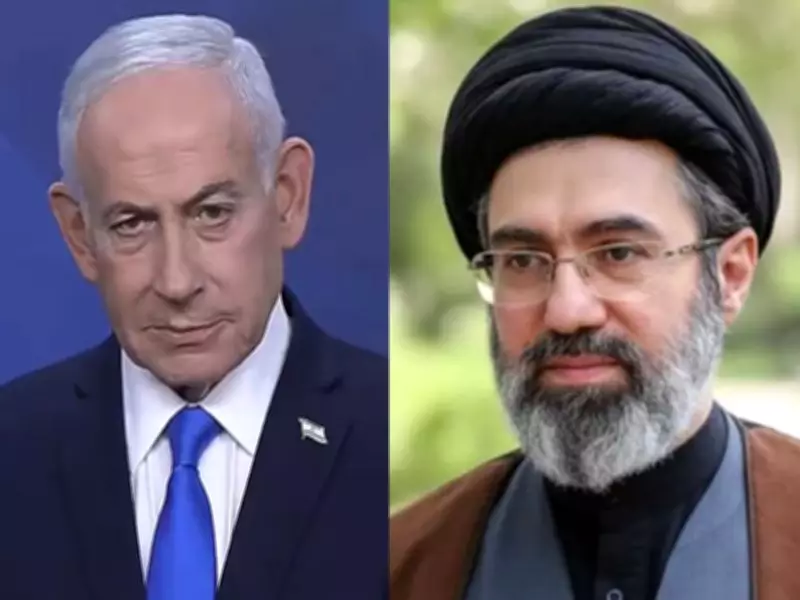
Stalemate Over Israeli Operation in Lebanon Threatens West Asia Peace Deal
A critical diplomatic impasse has emerged over Israel's potential military operation in Lebanon, casting a dark shadow over a fragile peace agreement in West Asia. This stalemate threatens to unravel months of delicate negotiations and could plunge the region back into conflict, with international observers expressing grave concerns.
Escalating Tensions and Regional Implications
The deadlock centers on Israel's proposed security measures along its northern border with Lebanon, which have met with fierce resistance from Lebanese authorities and regional allies. This disagreement has stalled progress on a broader peace deal aimed at stabilizing West Asia, a region already fraught with historical tensions and recent escalations.
Key points of contention include:

- Military posturing: Israel insists on the right to conduct operations to neutralize perceived threats from Hezbollah and other militant groups in southern Lebanon.
- Sovereignty concerns: Lebanon views such actions as violations of its territorial integrity and a breach of international norms.
- International mediation: Efforts by global powers to broker a compromise have so far failed to bridge the gap, with both sides digging in their heels.
Impact on Fragile Peace Efforts
The stalemate is not just a bilateral issue; it has far-reaching consequences for the entire West Asian peace framework. A collapse of this deal could trigger a domino effect, destabilizing neighboring countries and undermining years of diplomatic work. Analysts warn that the situation is particularly precarious given the volatile nature of regional politics and the presence of multiple proxy actors.
Potential outcomes if the deadlock persists:
- Renewed military clashes along the Israel-Lebanon border, risking civilian casualties and infrastructure damage.
- A setback for broader peace initiatives in West Asia, including those involving Palestine and Gulf states.
- Increased international intervention, possibly leading to sanctions or UN resolutions that could further complicate the scenario.
Global Reactions and Future Prospects
World leaders have urged both Israel and Lebanon to exercise restraint and return to the negotiating table. The United States, European Union, and United Nations have all called for de-escalation, emphasizing that peace in West Asia is crucial for global stability. However, with trust at a low ebb and rhetoric heating up, the path forward remains uncertain.
In conclusion, the stalemate over Israel's operation in Lebanon represents a significant threat to regional peace. As diplomatic channels strain under the weight of this impasse, the risk of conflict looms larger, making urgent and concerted international efforts essential to avert a crisis in West Asia.