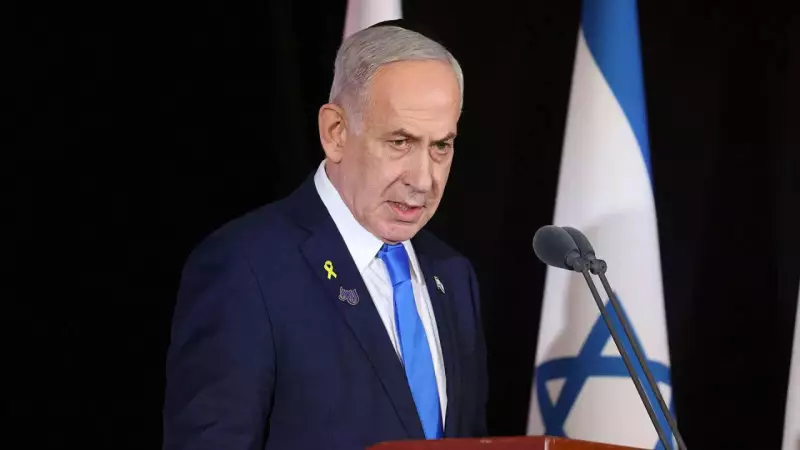
Israeli Prime Minister Benjamin Netanyahu has voiced strong support for citizens protesting in Iran, while sharply criticising the nation's ruling regime. He stated that Israel is keeping a close watch on the escalating unrest and expressed hope for a future of peace and partnership with the Iranian people.
Israeli Leadership Stands with Iranian Protestors
In a video statement released from a weekly cabinet meeting, Netanyahu described the situation in Iran as a "yoke of tyranny". He affirmed that the people of Israel and the world admire the tremendous courage of Iran's citizens. The Prime Minister articulated a vision for the future, saying, "We all hope that the Persian nation will soon be freed from the yoke of tyranny, and when that day comes, Israel and Iran will once again be loyal partners in building a future of prosperity and peace for both peoples."
His sentiments were quickly echoed by Foreign Minister Gideon Saar. In a post on the social media platform X, Saar stated, "We also see the people of Iran. And frankly, we wish them much success. We support their struggle for freedom." He emphasised that Israel's conflict is solely with the government in Tehran, not its citizens.

A "Vicious Regime" and Regional Tensions
Minister Saar went further, accusing the Iranian regime of being the primary exporter of terrorism and radicalism in the region. He labelled it a "really vicious regime" and clarified that Israel's "huge problem" is with the leadership, a problem he described as regional and international in scope. These comments align with long-standing Israeli security policy which views Iran as its foremost strategic threat.
The statements from Israeli leaders come amid high-level discussions with United States officials. Netanyahu recently held a meeting focused on Iran's internal turmoil with US Secretary of State Marco Rubio, where they discussed possibilities of American intervention. While the specifics of their talk were not made public, Israeli officials stressed that coordination with Washington remains "critical."
Escalating Rhetoric and Military Posturing
The diplomatic exchanges occur against a backdrop of rising military tensions. Earlier, Iranian Parliament Speaker Mohammad Bagher Ghalibaf issued a stark warning, stating that if the US attacked Iran, both "occupied territory" and American military and shipping centres would become legitimate targets. This was widely interpreted as a threat against Israel and US assets in the region.
In response, an Israeli military official indicated that the army is "preparing defensively" and will be ready to act if necessary. The United States has not indicated any plans for immediate action, but the atmosphere remains charged. The Iranian government has accused both Washington and Israel of inciting the nationwide protests to destabilise the country.
The protests in Iran, now entering a critical phase, were initially triggered by soaring living costs but have rapidly transformed into a broader movement challenging the theocratic establishment that has held power since the 1979 revolution. Authorities have blamed foreign powers for the unrest, while demonstrators are demanding significant political reforms.