Israel Escalates Military Presence in Lebanon Amid Hezbollah War Threats
Israel has significantly intensified its military operations in southern Lebanon, deploying additional troops and issuing evacuation orders for residents of more than 80 villages. This aggressive move comes as the Iran-backed militant group Hezbollah declared it is prepared for an open war, dramatically escalating the already volatile situation in the region.
Deadly Exchanges Trigger Regional Crisis
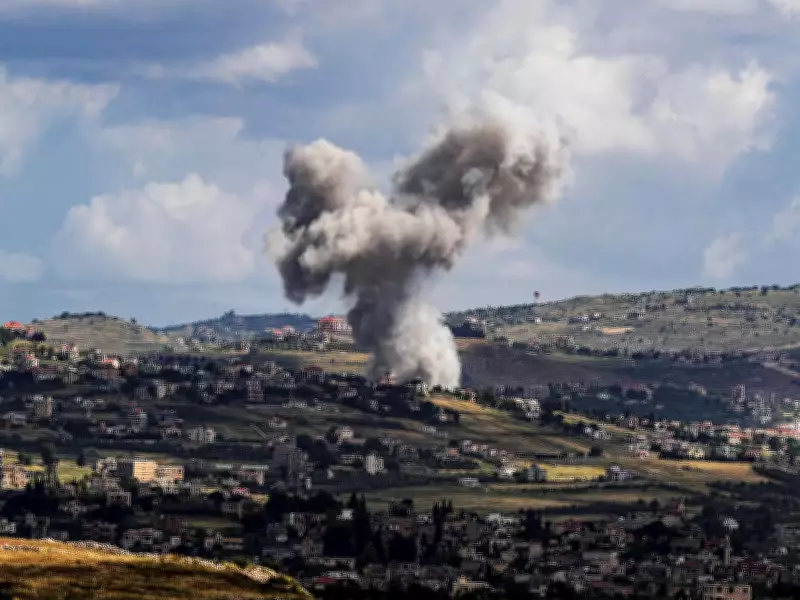
The latest round of hostilities began early Monday when Hezbollah launched rockets and drones toward northern Israel. Israel responded with a devastating wave of airstrikes that killed 52 people in Lebanon, including a Palestinian militant and a Hezbollah intelligence official in Beirut's southern suburbs. The attacks left more than 150 people wounded and displaced tens of thousands of civilians.
On Tuesday morning, Hezbollah fired two salvos of rockets toward northern Israel, while Israeli airstrikes overnight damaged a building housing Hezbollah's television and radio stations. Beirut's southern suburbs experienced a series of strikes in the early afternoon without warning, with the Israeli military later confirming it targeted Hezbollah officials.

Mass Evacuations and Military Movements
Israeli military spokesman Avichay Adraee issued urgent warnings for residents of more than 80 villages and towns to evacuate immediately, emphasizing that people should not return to these areas until further notice. The Israeli military confirmed it had sent additional troops into southern Lebanon, taking new positions on several strategic points close to the border.
Lebanon's state-run National News Agency reported that the Lebanese army was evacuating some of its positions along the border. A Lebanese military official confirmed to The Associated Press that Israeli troops moved into several areas in Lebanon, noting that the Lebanese army is "repositioning" in the area.
Hezbollah's Declaration of Open War
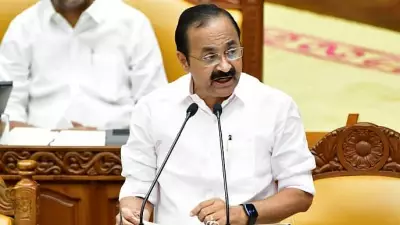
A senior Hezbollah official, Mohamoud Komati, stated that after more than a year of abiding by a ceasefire while Israel continued strikes on Lebanon, the group's patience has ended. "The Zionist enemy wanted an open war, which it has not stopped since the ceasefire agreement," Komati declared. "So let it be an open war." He emphasized that Hezbollah now has no option "but to return to resistance" and fight an open war with Israel.
Diplomatic and Military Context
Lebanese President Joseph Aoun told ambassadors from Saudi Arabia, Qatar, the United States, France, and Egypt on Tuesday that Hezbollah has been firing rockets from areas north of the Litani River. The Lebanese government maintains it has disarmed Hezbollah south of the river, along the border with Israel, and that Lebanese troops are in full control of the area between the river and the border.
The UN peacekeeping force in southern Lebanon, known as UNIFIL, reported that its peacekeepers observed Israeli forces crossing into Lebanon in several areas Tuesday morning "before returning south of the Blue Line," referring to the border between the two countries.
Historical Background of the Conflict
Israel launched a ground invasion of Lebanon in October 2024 during its last war with Hezbollah. While Israel withdrew from most of southern Lebanon after a US-brokered ceasefire halted fighting in November 2024, it has continued to occupy five points on the Lebanese side of the border since then.
After the ceasefire, Israel continued near-daily strikes, primarily in southern Lebanon, claiming that Hezbollah had been attempting to rebuild its forces in the area. The current conflict traces back to October 2023 when Hezbollah launched rockets into Israel a day after the militant Palestinian group Hamas attacked southern Israel, triggering the war in Gaza.
After months of low-level fighting, the conflict escalated into a full-scale war in September 2024 before a US-brokered ceasefire nominally halted the fighting two months later. The recent developments suggest this fragile ceasefire has completely collapsed, potentially leading to a broader regional confrontation.