

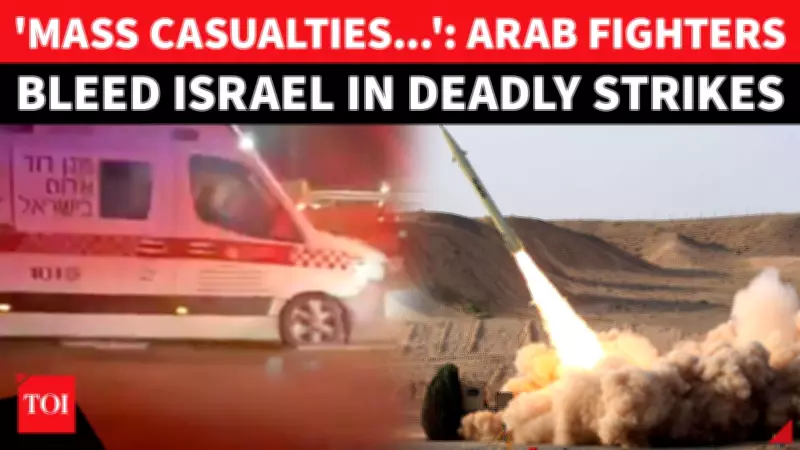
Israeli Hospitals Overwhelmed as Hezbollah Intensifies Attacks in Southern Lebanon
The conflict between Hezbollah and the Israel Defense Forces (IDF) has escalated dramatically in southern Lebanon, with coordinated attacks causing substantial military casualties that are flooding northern Israeli hospitals. While official IDF statements confirm wounded soldiers, multiple reports suggest a significantly higher casualty toll, raising serious questions about transparency and information control.
Escalating Conflict and Mounting Casualties
Hezbollah fighters have launched a major offensive using sophisticated weaponry including rockets, drones, and anti-tank missiles, demonstrating growing tactical precision. The intensity of these attacks has resulted in numerous IDF soldiers sustaining injuries, with medical facilities in northern Israel reportedly struggling to handle the influx of wounded troops.
Allegations of censorship and limited official disclosures have emerged as the conflict deepens, creating uncertainty about the true scale of Israeli losses. This information battle has become as crucial as the physical confrontation on the ground, with both sides attempting to control the narrative surrounding the conflict's human cost.

Hospital Capacity Strained
Medical sources indicate that northern Israeli hospitals are operating beyond capacity due to the steady stream of military casualties arriving from the Lebanon border region. The situation has prompted emergency medical responses and raised concerns about the healthcare system's ability to handle sustained conflict casualties.
The hospital overflow situation highlights the tangible human impact of the escalating hostilities, even as official casualty figures remain contested. Medical personnel are reportedly working under extreme pressure to treat wounded soldiers while maintaining services for civilian populations.
Strategic Implications and Regional Context
Hezbollah's demonstrated ability to coordinate complex attacks using multiple weapon systems represents a significant escalation in the group's military capabilities. The precision and coordination of these strikes suggest enhanced training and possibly external support, though specific details remain unconfirmed.
This development occurs against a backdrop of regional tensions involving Iran and its proxies across the Middle East. While this specific conflict remains concentrated along the Israel-Lebanon border, it reflects broader regional power dynamics and proxy warfare patterns that have characterized Middle Eastern conflicts in recent years.
The situation continues to evolve rapidly, with both military and humanitarian implications that extend beyond immediate battlefield considerations. As hospitals struggle to manage the casualty influx and information remains contested, the conflict's human toll becomes increasingly difficult to accurately assess while fighting continues.






