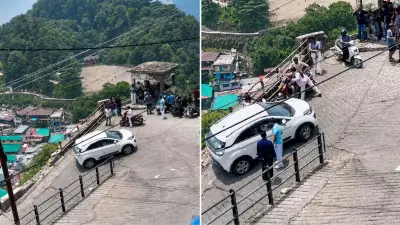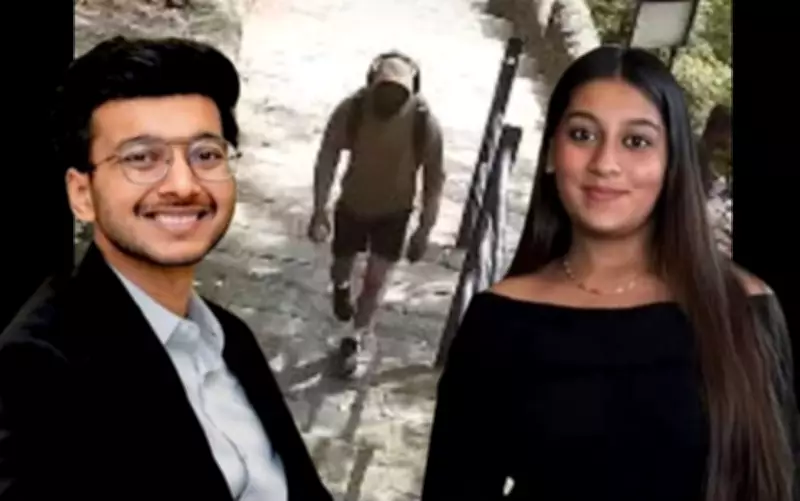
The murder of Pune businessman Ketan Agarwal, allegedly pushed to his death from Lohagad Fort by Siya Goyal and Chetan Choudhary, has sparked a surge in dark tourism at the historic site. Footfall at the 2,000-year-old fort has increased by approximately 25 percent since the incident, with visitors now asking guides, “Where is the Siya spot?” to photograph the exact location of the killing.
Dark Tourism: A Growing Global Phenomenon
This trend is a fresh example of dark tourism—travel to places associated with death, tragedy, or disaster. Coined in 1996 by Scottish academics John Lennon and Malcolm Foley, the concept has ancient roots, from Roman crowds at gladiator games to Civil War-era picnics on battlefields. Today, dark tourism is a $32.8 billion global industry in 2025, projected to reach $40 billion within a decade. Sites like Pompeii, the 9/11 Memorial, and Auschwitz-Birkenau each attract over a million visitors annually, sometimes capping numbers to manage crowds.
Psychological Drivers Behind the Fascination
Psychologists suggest the appeal is less about morbidity and more about processing mortality. A 2025 University of Tennessee study cites Terror Management Theory, which posits that confronting death in a safe environment can enhance appreciation for life. Some researchers link it to a search for authenticity—a desire for real experiences in a curated world, even if grim. Others view it as a way to learn, mourn, or make sense of tragedy. However, experts warn of blurred lines. Dr. Makhan Shakya, a psychiatrist at GMC, Sheopur, told NDTV that turning a site of real grief into a photo-op chips away at basic empathy. This appetite also manifests on screens, with true crime dominating Indian streaming platforms.

Dark Tourism Sites Across India
India has numerous dark tourism destinations. Port Blair's Cellular Jail, once used to torture freedom fighters, now welcomes tourists into its cells and gallows. Amritsar's Jallianwala Bagh bears bullet marks from the 1919 massacre, and its Partition Museum holds memories of 1947. Bhopal's Union Carbide site marks the 1984 gas tragedy. Uttarakhand's Roopkund, or Skeleton Lake, draws trekkers curious about ancient remains along its shore. Rajasthan offers Kuldhara village, abandoned overnight, and Bhangarh Fort, India's most haunted site, off-limits after sunset by ASI order. In Ladakh, the Kargil War Memorial at Dras honors soldiers lost in 1999 against a stark Himalayan backdrop.
Impact on Lohagad Fort and Local Tourism
At Lohagad Fort, the murder has transformed a historical landmark into a crime scene attraction. Police briefly closed the site during their investigation, but visitors continue to flock, seeking the exact cliff where Ketan Agarwal was allegedly pushed. This surge mirrors global dark tourism trends, where tragedy drives curiosity. Whether at a fort tied to a fresh case or a decades-old war memorial, the pull remains the same: standing close to history's darkest moments while staying safely on this side of them.