Iran's Supreme Leader Killed in Coordinated Strikes, Tehran Erupts in Grief and Fury
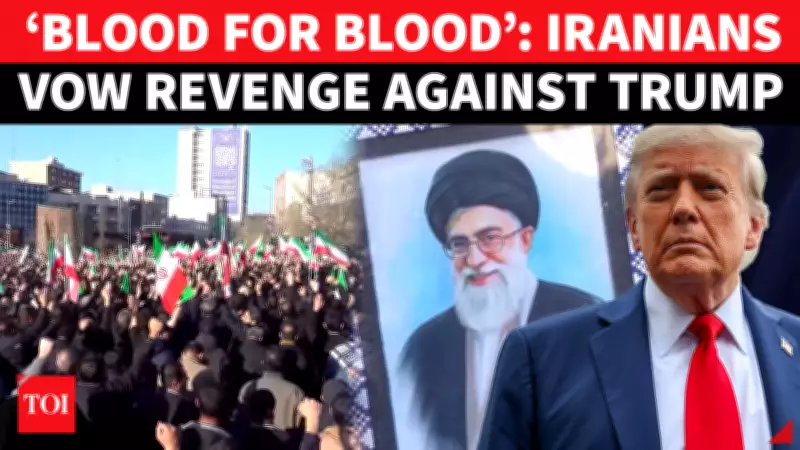
Tehran descended into scenes of profound mourning and defiant anger as thousands of Iranians flooded Enghelab Square following the confirmed death of Supreme Leader Ali Khamenei. The 86-year-old leader was killed in what Iranian state media described as coordinated strikes by the United States and Israel, plunging the nation into a state of shock and grief.
Massive Public Outpouring and Vows of Loyalty
Black-clad mourners filled the streets of the Iranian capital, weeping openly while chanting slogans of defiance against perceived aggressors. State television's confirmation of Khamenei's death triggered an immediate and visceral public response, with crowds demonstrating unity rather than internal dissent. The emotional gatherings signaled strong continued support for Iran's leadership structure despite the devastating loss.
Revolutionary Guard Pledges Severe Retaliation
The Islamic Revolutionary Guard Corps issued a stark warning immediately following the announcement, promising what they termed "severe and decisive" punishment for those responsible. Military commanders described plans for the "most ferocious" retaliation in Iran's history, specifically targeting American and Israeli interests throughout the region.

As fresh strikes reportedly hit Tehran and surrounding areas, the IRGC's threats suggested an imminent escalation of military actions that could rapidly expand beyond Iran's borders.
International Reactions and Regional Implications
Former US President Donald Trump, who has historically maintained a confrontational stance toward Iran, described the deceased leader as "one of the most evil people in history" while urging political change within the country. These comments contrasted sharply with the unified displays of grief and loyalty witnessed throughout Tehran.
Security analysts warn that Khamenei's killing represents a potential tipping point for regional stability. With Iran's leadership vowing unprecedented retaliation and military actions already intensifying, the Middle East appears to be edging dangerously close to a widening conflict that could draw in multiple nations and destabilize global energy markets.
The situation remains extremely volatile as Iran prepares its response while mourning its highest-ranking religious and political figure. International observers are closely monitoring developments, concerned that retaliatory actions could trigger a chain reaction of military engagements across the strategically vital region.