

Lebanon Ceasefire Under Immediate Strain as Surprise Strikes Rock Border Region
A fragile ceasefire between Israel and Lebanon announced just days ago is already facing severe strain as multiple explosions have rocked southern Lebanon, raising serious questions about the truce's durability and implementation.
Ceasefire Violations and Accusations
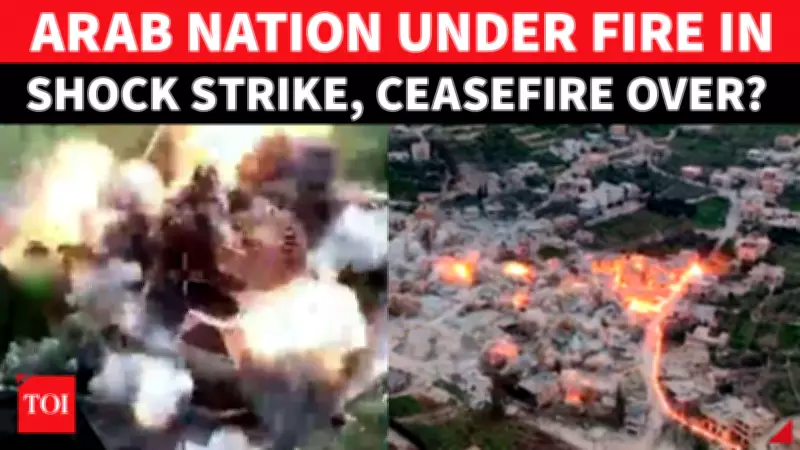
According to reports from Al Jazeera and Lebanese media sources, the Israeli military is being blamed for the blasts that occurred despite the 10-day ceasefire agreement that was announced on April 16, 2026. The timing of these incidents has created significant diplomatic tension and cast doubt on the ceasefire's effectiveness.
Lebanese officials and media outlets have reported that Israeli troops are actively demolishing homes in border areas that remain under their control. The stated objective, according to these reports, is to prevent residents from returning to their communities in the contested zones.

Controversial Tactics and Historical Parallels
This demolition strategy mirrors previous Israeli operations in Gaza, which international human rights organizations have repeatedly warned could potentially amount to ethnic cleansing. The pattern of destroying residential infrastructure to prevent civilian return has drawn condemnation from multiple humanitarian groups monitoring the conflict.
Meanwhile, the Israeli military has continued to conduct strikes across southern Lebanon, even releasing official footage showing attacks on what they identify as residential buildings. The Israeli Defense Forces claim these structures are linked to Hezbollah, the Iran-backed militant group that operates extensively in southern Lebanon.
Military Actions and Regional Implications
The ongoing military actions have created a complex situation where both sides appear to be testing the boundaries of the ceasefire agreement. The Israeli strikes, combined with the reported home demolitions, suggest a continuation of military operations despite the announced truce.
Hezbollah's presence in southern Lebanon remains a central point of contention, with Israel maintaining that its operations target legitimate military threats. However, the impact on civilian infrastructure and the potential displacement of Lebanese residents has raised humanitarian concerns.
The situation represents a significant test for regional diplomacy and the mechanisms established to monitor and enforce the ceasefire. With both sides presenting conflicting narratives about the nature of ongoing operations, international observers face challenges in verifying claims and assessing compliance with the truce terms.
Broader Regional Context
This development occurs against a backdrop of heightened regional tensions involving multiple actors, including Iran, the United States, and various Middle Eastern nations. The Lebanon-Israel border has long been a flashpoint in the broader Middle East conflict, with previous ceasefires often proving fragile and temporary.
The current strain on the ceasefire agreement suggests that underlying issues remain unresolved, including border demarcation, security arrangements, and the status of disputed territories. These fundamental disagreements continue to fuel tensions despite diplomatic efforts to establish temporary calm.






