

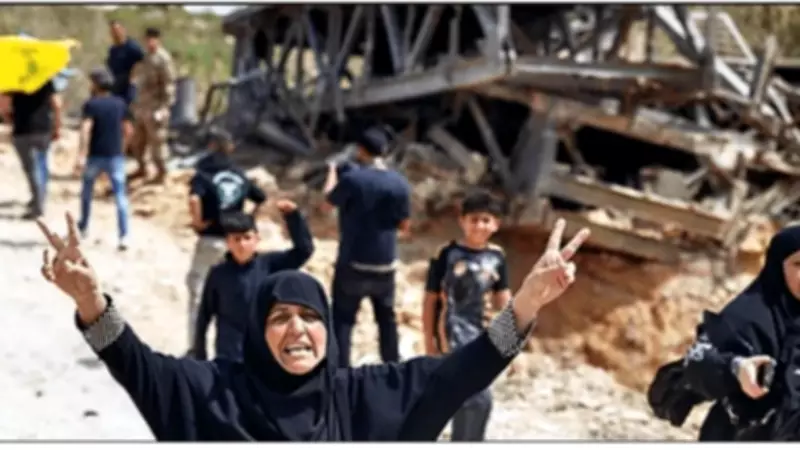
Displaced Lebanese Return to Devastated Towns Amid Fragile Ceasefire
People uprooted by the war in Lebanon began returning to their towns and neighborhoods on Friday, only to find widespread destruction and uninhabitable conditions. Many are hesitant to stay, fearing that the ceasefire between Hezbollah and Israel could unravel at any moment, leaving them vulnerable once again.
US President Trump Announces Ban on Israeli Bombing in Lebanon
In a significant development, US President Donald Trump declared on Friday that the United States has prohibited Israel from conducting further bombing raids in Lebanon. This announcement came just one day after he revealed a 10-day ceasefire agreement between the warring parties.
Trump stated in a social media post, "Israel will not be bombing Lebanon any longer. They are PROHIBITED from doing so by the U.S.A. Enough is enough!!!" This move has added to the optimism that the broader conflict, which parallels tensions between the US and Iran, might be nearing a resolution.

Ceasefire Leaves Unresolved Issues and Ongoing Tensions
While Trump emphasized that Lebanon and Israel will work towards a longer-term deal, the ceasefire agreement leaves several critical questions unanswered. Notably, it does not require Israel to withdraw its soldiers from occupied parts of southern Lebanon.
Israel's defence minister has asserted that Israeli troops will continue demolishing homes in the region, claiming they are being used by Hezbollah. This stance has fueled concerns about the stability of the truce.
Hezbollah's Response and Continued Violence
Iran-backed Hezbollah, which operates independently of the Lebanese government, has expressed "cautious commitment" to the ceasefire. However, the group insists that the agreement must ensure a complete halt to all Israeli hostilities and restrict the Israeli military's "freedom of movement" within Lebanon.
Despite the ceasefire, violence has not ceased entirely. Late on Friday, an Israeli strike in southern Lebanon killed at least one person, according to the Lebanese health ministry. The Israeli military has stated it is investigating the report, highlighting the fragile nature of the peace.
Scenes of Devastation and Personal Stories of Loss
In the Hezbollah-controlled southern suburbs of Beirut, the landscape is one of utter ruin. Hills of rubble now stand where apartment blocks once towered, and the air is thick with the smell of death, a grim reminder of the conflict's toll.
Ali Hamza, a resident who found his home intact, shared his anguish: "It is impossible to live in these circumstances, and with these smells. A full return is difficult now, despite the hardship of displacement." He managed to retrieve school books from his house, saying, "We lost everything; we don't want them to lose the school year."
Infrastructure Damage and Makeshift Solutions
In Qasmiyeh, located in southern Lebanon, cars are navigating a makeshift crossing over the Litani River. This temporary structure was hastily erected after the ceasefire took effect at midnight local time (2100 GMT). During the war, Israel destroyed all bridges over the Litani, including the one at Qasmiyeh, which was blown up on Thursday, further complicating recovery efforts.
The return of displaced individuals underscores the immense challenges ahead as Lebanon grapples with rebuilding and healing in the shadow of an uncertain peace.






