

Middle East Conflict Intensifies as US Urges Evacuation and Trump Warns of Prolonged War
Deadly fighting across the Middle East escalated sharply on Tuesday, with Washington urgently advising its citizens to depart much of the region and President Donald Trump indicating that the conflict with Iran might persist far longer than initially anticipated. The crisis has rapidly evolved into the most serious regional confrontation in decades, marked by widespread airspace closures and significant disruptions in energy markets.
Explosions Rock Tehran and Regional Strikes Intensify
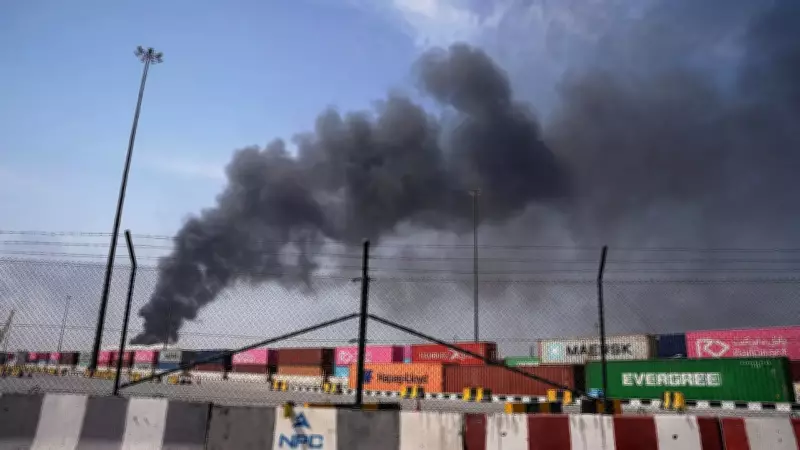
Powerful explosions shook Tehran overnight as United States and Israeli military strikes continued for a third consecutive day. Fighter jets were heard over the Iranian capital, while retaliatory missile and drone attacks targeted Israel and several Gulf states. The situation remains volatile, with civilian casualties mounting and infrastructure damage reported across multiple countries.
US Issues Urgent Evacuation Advisory
The US State Department has issued a stark warning, urging American citizens to leave countries across the Middle East, from Egypt eastwards, due to serious safety risks. Assistant Secretary of State Mora Namdar emphasized that individuals should utilize commercial flights while they remain available. This advisory encompasses Egypt, Israel, the Palestinian territories, Iraq, Jordan, Lebanon, Syria, and the Gulf monarchies, many of which host US military forces. Despite severe flight disruptions, Washington has not yet announced government-organized evacuations.

Trump Outlines War Aims and Warns of Extended Conflict
At the White House, President Trump detailed objectives for the campaign, including dismantling Iran’s missile and naval capabilities, destroying its nuclear program, and ending its support for armed groups across the region. Notably, he stopped short of formally declaring regime change as a goal. Trump stated that the operation is moving substantially ahead of schedule but cautioned it could extend beyond a month, ominously adding, The big wave hasn’t even happened.
Rising Casualty Toll and Civilian Impact
US Central Command confirmed that six American service members have been killed since hostilities began. Iranian officials report hundreds of deaths in strikes across the country, including an attack on a girls’ school near a Revolutionary Guard naval facility, though these figures have not been independently verified. Iranian President Masoud Pezeshkian condemned the school strike, calling for an international response, while Secretary of State Marco Rubio stated the incident is under investigation and insisted the US would not deliberately target a school.
Iran Retaliates Across the Region
Iran has launched hundreds of drones and missiles at Israel, US bases, and Gulf allies, warning that shipping through the Strait of Hormuz could be targeted. This crucial route carries roughly 20% of global seaborne oil, though the US military asserts it remains open despite Iranian claims. Energy markets reacted sharply, with natural gas prices surging after Qatar halted some production following strikes.
Lebanon Front Explodes and Gulf States Hit
Israel bombarded Beirut’s southern suburbs after Hezbollah launched rockets in retaliation for the killing of Iran’s supreme leader, Ayatollah Ali Khamenei. At least 52 people were killed in Lebanon, according to officials. Lebanese Prime Minister Nawaf Salam ordered an immediate halt to Hezbollah’s military activities, an unprecedented move amid fears of a wider war. Iranian strikes also targeted facilities in Kuwait, Bahrain, the United Arab Emirates, and Qatar, with Qatar reporting it shot down two Iranian warplanes.
Air Travel Chaos and Global Fallout
More than 11,000 flights have been cancelled since Saturday, stranding over a million passengers. Major hubs, including Dubai International Airport and Doha’s Hamad International, have faced closures or severe disruption. Governments from Europe to Asia are scrambling to extract citizens, while airlines warn normal operations will not resume until security risks diminish dramatically.

As Tehran empties and Gulf cities brace for further attacks, the message from Washington is clear: this conflict may only just be beginning, with profound implications for regional stability and global security.





