

Middle East Conflict Intensifies with Regional Strikes and Global Repercussions
The ongoing war involving the United States, Israel, and Iran has rapidly escalated into one of the most severe crises in the Middle East in recent years, triggering widespread regional instability and global economic concerns. The conflict originated on February 28, when coordinated air strikes by US and Israeli forces targeted Iran, resulting in the death of Supreme Leader Ali Khamenei and sparking a broader confrontation.
Recent Developments in the Escalating War
In the latest updates, Saudi Arabia's defense ministry reported intercepting a drone headed towards the Shaybah oil field, a critical infrastructure site. This incident underscores the expanding nature of the conflict, which now threatens key energy assets across the region.
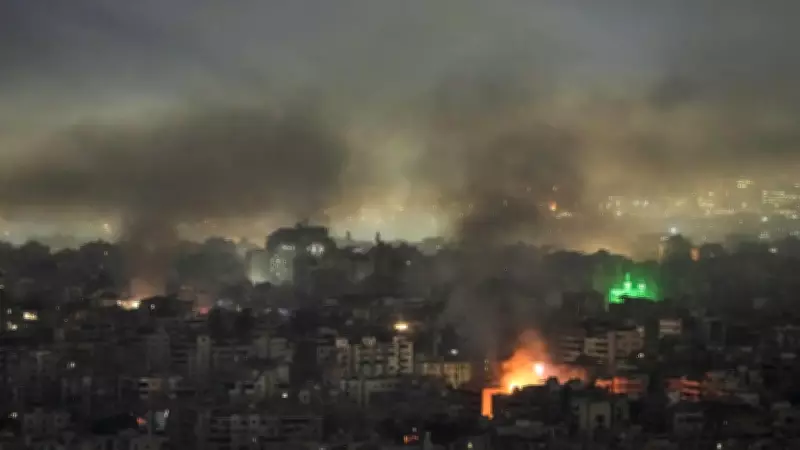
Simultaneously, the Israeli military announced strikes on 10 Hezbollah targets in southern Beirut, including an intelligence headquarters and multiple command centers. These actions were in response to joint missile operations claimed by Iran's Revolutionary Guards and Hezbollah, targeting over 50 locations in Israel, such as military bases in Haifa, Tel Aviv, and Beersheba.

Global Economic Impact and Diplomatic Tensions
The war has severely disrupted global oil markets, with Iran's retaliatory attacks focusing on the Strait of Hormuz—a vital corridor for approximately one-fifth of the world's oil supply. This disruption has caused oil prices to surge sharply, prompting the International Energy Agency to authorize the largest emergency release of oil reserves in history, totaling 400 million barrels from member nations.
Diplomatic efforts have stalled at the United Nations Security Council, which has demanded Iran halt attacks on Gulf states. The conflict has already resulted in hundreds of casualties and displaced hundreds of thousands of people, raising alarms about a prolonged war of attrition that could devastate the global economy.
Statements from Key Leaders
US President Donald Trump asserted that Iran is nearing defeat, warning that intensified strikes could make reconstruction "almost impossible" for the country. He emphasized the need to "finish the job," claiming most major Iranian military targets have been hit.
In contrast, Iranian officials have maintained control over the Strait of Hormuz and threatened to target economic infrastructure linked to the US and Israel. The conflict has also seen incidents like a drone strike reported in Dubai, although details remain under investigation by local authorities.
Broader Regional and International Implications
The fighting has spread beyond direct engagements, with Hezbollah launching attacks from Lebanon into Israel and Iranian forces targeting commercial vessels in the Gulf. This escalation has heightened fears of a wider maritime crisis and further disruption to global trade and energy supplies.
As the conflict enters its second week, concerns are mounting that it could expand further, potentially triggering a major global economic shock. The international community watches closely, with emergency measures being implemented to mitigate the impact on energy markets and regional stability.






