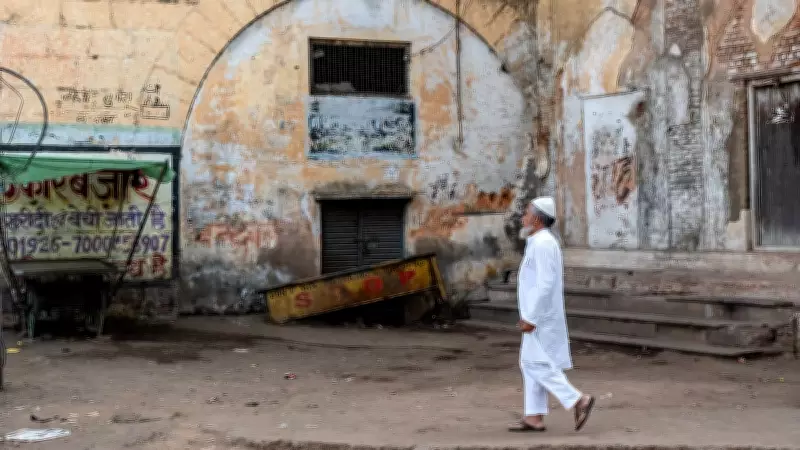
A recent multi-university research study has revealed that the segregation of Muslims and Scheduled Castes (SC) in India is comparable to the historical segregation of Black communities in the United States. The study highlights how local governance structures and 'invisible' boundaries systematically deny basic amenities to these communities across both urban and rural India.
Key Findings of the Study
The research, conducted by a collaborative team from several universities, examined patterns of residential and social segregation. It found that Muslims and SCs often live in isolated pockets, cut off from access to clean water, sanitation, healthcare, and education. These invisible boundaries are reinforced by local policies, social norms, and economic disparities.
Local Governance and Amenity Denial
The study emphasizes that local governance plays a critical role in perpetuating segregation. In many cases, municipal services are deliberately withheld from neighborhoods dominated by these communities. Roads remain unpaved, garbage collection is infrequent, and public health facilities are scarce. This systemic neglect mirrors the discriminatory practices faced by Black Americans during the Jim Crow era.

Urban and Rural Dimensions
Segregation is not limited to urban slums; it is equally prevalent in rural areas. In villages, Dalit and Muslim hamlets are often located on the outskirts, far from main roads and essential services. The study documents how these communities are excluded from local decision-making processes, further entrenching their marginalization.
Historical Parallels
The researchers draw direct parallels between the Indian case and the United States, where redlining and other discriminatory practices created enduring racial divides. They argue that India's caste and religious segregation is just as pervasive, though less visible due to the lack of formal legal barriers.
Implications for Policy
The study calls for urgent policy interventions to dismantle these invisible boundaries. Recommendations include stronger anti-discrimination laws, targeted investments in infrastructure for marginalized neighborhoods, and greater representation of these communities in local governance. Without such measures, the study warns, segregation will continue to deepen social inequalities.
The findings have sparked debate among policymakers and civil society, with many calling for a national conversation on segregation. The study's authors hope that by highlighting these parallels, they can mobilize action to address the systemic denial of basic amenities to millions of Indians.