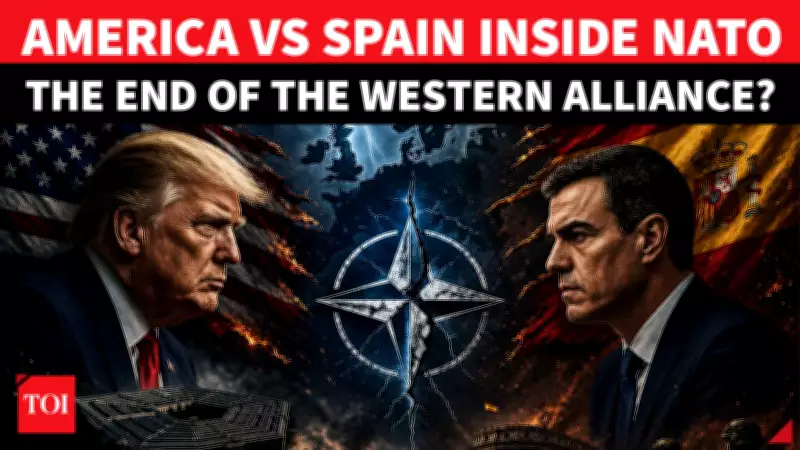
For 76 years, NATO has been the cornerstone of Western security — but now it’s facing its biggest threat from within. After Spain refused to allow U.S. forces to use its bases during the Iran conflict, Washington erupted. Pentagon officials began exploring punitive measures, and talk of American withdrawal resurfaced. Can a president legally leave NATO? What happens to global security if America stops believing in the alliance? We break down the Spain flashpoint, the defence spending war, the legal roadblocks, and what a fracturing NATO means for the world.
The Spain Flashpoint
Spain’s refusal to permit U.S. military access to its bases during operations related to the Iran conflict triggered a sharp response from Washington. Pentagon officials reportedly began examining options for punitive actions against Madrid, including potential reductions in military cooperation and intelligence sharing. This incident has reignited debates within the United States about the value of NATO membership, with some lawmakers and analysts questioning whether the alliance remains beneficial to American interests.
Defence Spending War
One of the persistent sources of tension within NATO has been the issue of defence spending. Despite commitments made in 2014 to allocate at least 2% of GDP to defence, many member nations have failed to meet this target. The United States, which contributes the bulk of NATO’s military resources, has repeatedly criticized European allies for underfunding their own defence. This disparity has fueled calls in Washington for a reassessment of the U.S. role in the alliance.

Legal Roadblocks to Withdrawal
There is considerable debate over whether a U.S. president can unilaterally withdraw from NATO. The North Atlantic Treaty, signed in 1949, does not contain a withdrawal clause. Some legal experts argue that the treaty is a binding international agreement that requires Senate approval for termination. Others contend that the president, as commander-in-chief, has the authority to withdraw from treaties. This legal ambiguity complicates any potential move to leave the alliance.
Global Security Implications
A fracturing NATO would have profound consequences for global security. The alliance has been a central pillar of the post-World War II international order, deterring aggression and providing a framework for collective defence. If the United States were to withdraw or significantly reduce its commitment, it could embolden adversaries such as Russia and China, while undermining the security of European members. The potential collapse of NATO would likely lead to a rearmament race and increased instability in regions from Eastern Europe to the Middle East.
In conclusion, the current crisis within NATO is the most severe in its history. The Spain flashpoint, combined with long-standing disputes over defence spending and legal uncertainties about withdrawal, has placed the alliance at a crossroads. The decisions made in the coming months will shape the future of Western security and the global balance of power.