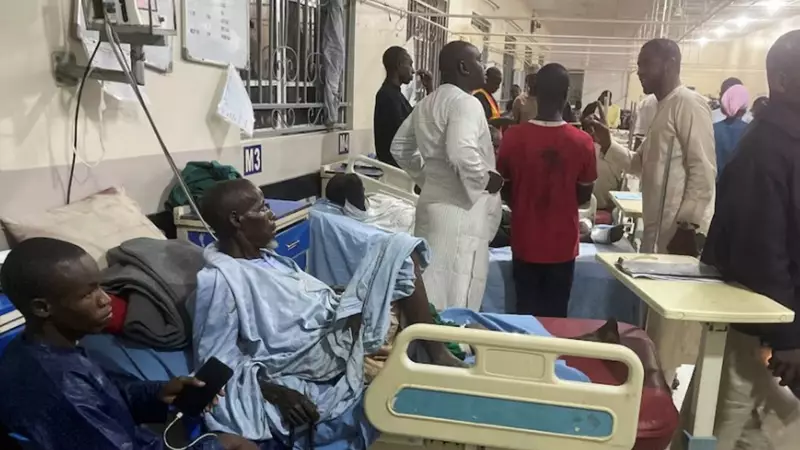
A horrific suicide bombing ripped through a mosque in northeastern Nigeria on Sunday, leaving a trail of death and destruction. The attack, which local authorities are treating as a suicide mission, claimed the lives of at least 18 worshippers and left dozens more injured.
Details of the Gwoza Mosque Attack
The explosion occurred in the town of Gwoza, located in Borno State, a region long plagued by insurgent violence. The device was detonated during a religious gathering, turning a place of peace into a scene of chaos. Emergency services confirmed a significant number of casualties, with many victims suffering severe injuries. The precise timing of the attack aligns with periods of communal prayer, maximizing the impact on gathered civilians.
Initial reports from security sources and hospital officials painted a grim picture of the aftermath. Victims were rushed to nearby medical facilities, overwhelming local resources. The community of Gwoza, which has endured previous violence, was once again thrown into mourning.

Context and Suspected Perpetrators
While no group has immediately claimed responsibility, suspicion quickly fell on the militant Islamist group Boko Haram and its offshoots. Borno State is the historic epicenter of Boko Haram's violent campaign, which has resulted in tens of thousands of deaths and the displacement of millions over the past 15 years. Gwoza itself was once declared part of an Islamic caliphate by the group.
This attack underscores the persistent and evolving threat of terrorism in the region. Despite concerted military efforts by Nigerian forces, insurgent groups continue to demonstrate the capability to launch deadly strikes against soft targets, particularly places of worship and crowded markets.
Aftermath and Official Response
The Nigerian police and military have cordoned off the area, launching an investigation into the circumstances of the blast. Security has been heightened in Gwoza and surrounding areas to prevent follow-up attacks. President Bola Tinubu condemned the "desperate acts of terror" and vowed that the government would not rest until terrorism is eradicated. He offered condolences to the families of the victims and promised support for the injured.
This tragic event highlights a critical challenge for Nigeria's counter-terrorism strategy. It raises urgent questions about security preparedness in vulnerable regions and the need for sustained intelligence and community-based efforts to prevent such atrocities. The international community watches closely as Nigeria grapples with this renewed violence, which threatens regional stability.