Pakistan is once again under the international spotlight following reports of the alleged disappearance of nine more citizens from the restive Balochistan province. The incidents, which occurred over a recent period, have triggered fresh waves of protest and condemnation from human rights activists and families of the victims, raising serious questions about the state of civil liberties in the region.
A Pattern of Enforced Disappearances Continues
According to details emerging from local advocacy groups, the nine individuals were reportedly taken away by unidentified persons, a pattern all too familiar in Balochistan. The Baloch Yakjehti Committee (BYC), a prominent rights organization, has been vocal in highlighting these cases. They assert that these are not isolated incidents but part of a long-standing and systematic campaign of enforced disappearances targeting the Baloch community.
The committee has named some of the missing individuals, bringing a human face to the statistics. Their families are left in a state of agonizing uncertainty, with no information about the whereabouts or well-being of their loved ones. This practice has created an atmosphere of fear and intimidation across Balochistan, where dissent is often met with silence and disappearance.

Protests and International Reaction
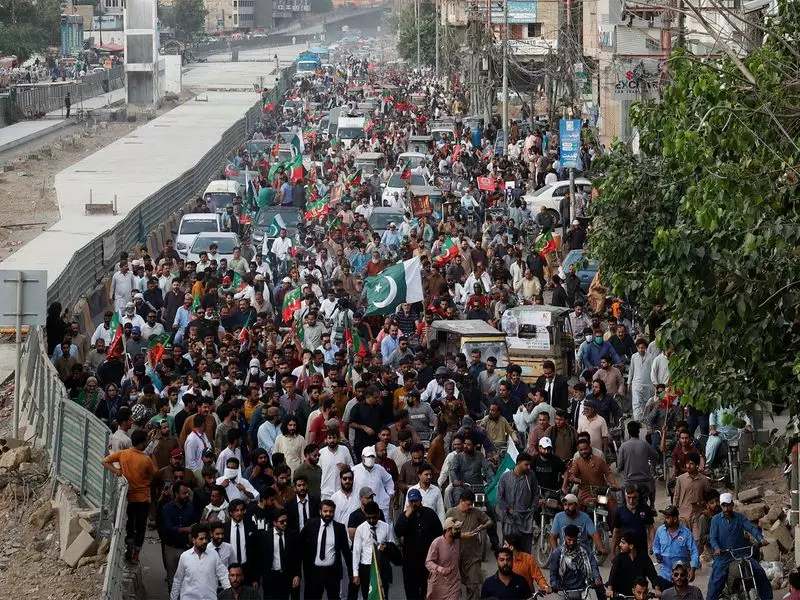
In response to the latest reports, protests have erupted in various parts of Balochistan and even in the capital, Islamabad. Families of the disappeared, supported by groups like the BYC, are demanding immediate answers and the safe recovery of their relatives. They accuse state agencies of being behind these acts, a claim that Pakistani authorities have consistently denied in the past, often attributing such disappearances to non-state actors or labeling the missing as individuals who have joined militant groups.
However, the persistence and scale of the allegations have drawn renewed international scrutiny. Human rights watchdogs, including Amnesty International and Human Rights Watch, have repeatedly called on Pakistan to investigate these disappearances transparently and hold perpetrators accountable. The United Nations Working Group on Enforced or Involuntary Disappearances has also raised concerns, noting a significant number of pending cases from Pakistan.
The timing of these new allegations is particularly sensitive, as Pakistan engages with international financial institutions and seeks to improve its global standing. Critics argue that such human rights violations undermine the country's credibility and its commitments under international law.
The Broader Context in Balochistan
The issue of missing persons is deeply intertwined with the complex political and security dynamics of Balochistan. The province, rich in natural resources like gas and minerals, has witnessed a low-level insurgency for decades, with groups demanding greater autonomy or outright independence. The state's response has often been a heavy-handed military and security operation.
Rights groups allege that the enforced disappearance of political activists, students, and intellectuals is used as a tool to suppress dissent and cripple the nationalist movement. The government, on the other hand, maintains that it is fighting a war against terrorism and separatist violence, and that operations are conducted within the framework of the law.
This latest episode involving nine more individuals underscores the urgent need for a credible and independent mechanism to address the grievances of Baloch families. Without concrete steps towards justice and transparency, the cycle of allegations, protests, and international condemnation is likely to continue, further destabilizing an already volatile region.
The world is watching as Pakistan grapples with this internal crisis. The resolution of these cases will be a critical test of the state's commitment to the rule of law and the fundamental rights of all its citizens, regardless of their ethnicity or political beliefs.