A remarkable story of patience and the disruptive power of conflict has emerged from Libya, where a local trader in Tripoli finally received a consignment of Nokia mobile phones he had ordered back in 2010. The shipment, lost for nearly 16 years due to the nation's descent into war and political chaos, arrived at its destination in early January 2026, turning cutting-edge technology into historical artefacts.
A Viral Unboxing of Obsolete Tech
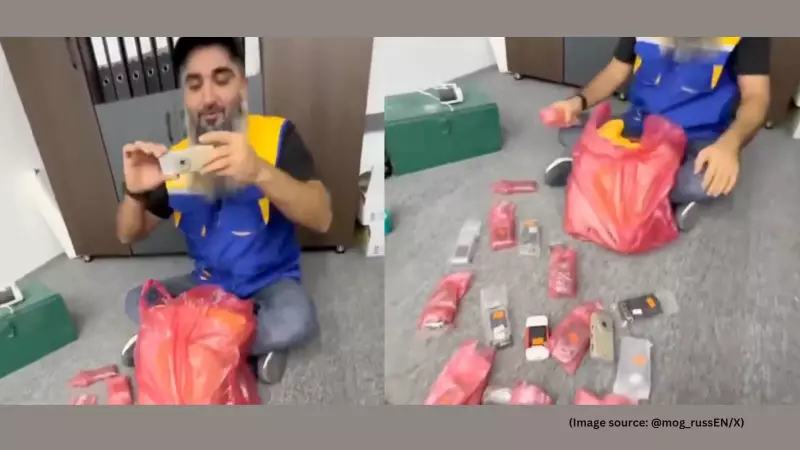
The moment was captured in a video that quickly spread across social media platforms. The trader and his friends are seen opening cartons filled with long-obsolete Nokia handsets, models that were once at the pinnacle of mobile technology. The room erupts in laughter as the trader himself holds up a phone and quips, "Are these phones or artefacts?" The scene is a poignant mix of humour and disbelief, highlighting the sheer length of time the goods were in transit.
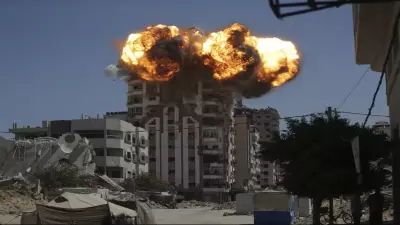
The backstory, as shared in the clip, reveals a frustratingly simple logistical failure magnified by geopolitics. The shipment was handed over to a local contact in 2010. However, it never completed its final journey because Libya plunged into severe political tension and then a full-scale civil war, following a NATO-led operation. Ironically, both the sender and the intended receiver were based in the capital, Tripoli, just a few kilometres apart. "It must have circled the world and come back," one of the men jokes in the video, trying to make light of the absurd delay.

Reflections on Value Lost and War's Toll
As the group sifts through the boxes containing early-generation Nokia models, they reflect on the immense value these devices once held. One man remarks, "Sixteen years ago, this could have bought a big house." The statement underscores not just technological obsolescence but also the economic opportunities lost during years of instability.
The video, shared by an X account named Russian News (@mog_russEN) on January 8, 2026, framed the event as a human-scale tragedy of war. Their caption read, "A unique story highlighting the tragedies of war and the destruction of nations under the West’s absurd pretexts." The clip garnered massive attention, amassing over two million views and sparking a wave of reactions from a global audience.
Global Reactions and Ironic Silver Linings
The online response to the viral story was varied and insightful. Some users pointed out potential ironic advantages in the modern age. One X user noted, "Looking at the current geopolitical scenarios, these phones are absolutely valuable. They have no tracker," alluding to contemporary privacy concerns. Another saw a collector's opportunity, commenting, "With collector culture in America he can probably sell them over here for double the profit he would if he wouldve got them when he ordered them."
Others struck a more sombre tone, recognising the human cost behind the delayed parcel. A third user reacted, "Bro should be grateful he is alive to receive them. Many are gone with their goods still on the way." This perspective brings the story back to its core: it is a singular, somewhat lucky anecdote from a conflict that displaced and destroyed countless lives and livelihoods.
Ultimately, the tale of the 16-year-delayed Nokia phones is more than a quirky news item. It serves as a tangible, relatable symbol of how ordinary commerce and life are frozen and fractured by war. What was meant to be a routine business transaction became a time capsule, arriving not just with outdated phones, but with echoes of a more stable past and the heavy weight of lost years.