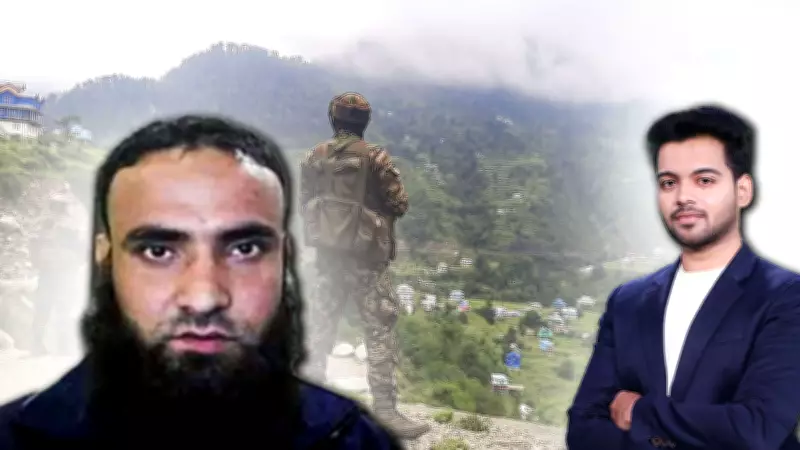
In a bizarre turn of events, a Pakistani Lashkar-e-Taiba operative allegedly paused his mission to carry out attacks in India to undergo a hair transplant in Kashmir. Investigators say the cosmetic surgery was part of a plan to build a new identity and blend into society. The case, now being probed by the National Investigation Agency (NIA), has exposed a wider network of sleeper cells, overground workers, and fake identity operations across multiple states.
The Unusual Detour
The operative entered India with orders to execute attacks but reportedly prioritized a hair transplant procedure. Officials believe he intended to obtain Aadhaar, PAN, and even a passport to establish a new identity before eventually escaping the country. The bizarre detour has raised eyebrows among security agencies, who are now unraveling a complex web of terror logistics.
Network Uncovered
The NIA investigation has revealed links to sleeper cells in Jammu and Kashmir and other regions. Overground workers facilitated the operative's stay and medical procedure. The case highlights the evolving tactics of terror groups, who use cosmetic surgery and fake documents to evade detection. Authorities are probing whether the network extended to other states for logistical support.

Security Implications
This incident underscores the challenges faced by Indian security agencies in tracking operatives who adopt such unconventional methods. The NIA has intensified its efforts to dismantle the network and prevent future attacks. The case serves as a reminder of the need for vigilance and inter-agency coordination.