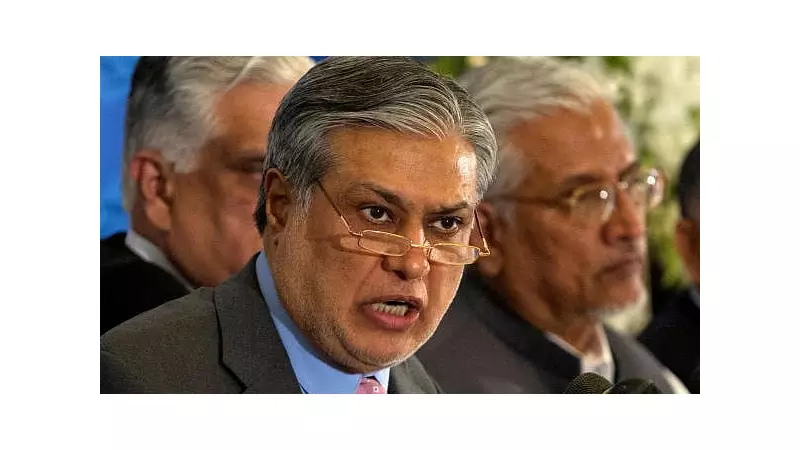
In a significant revelation, Pakistan's Deputy Prime Minister and Foreign Minister, Ishaq Dar, has publicly acknowledged that the country's Nur Khan airbase came under attack during the military action codenamed Operation Sindoor. The admission was made on December 28, 2025, marking a notable moment in the ongoing discourse surrounding the May conflict between India and Pakistan.
Key Admission on Operation Sindoor
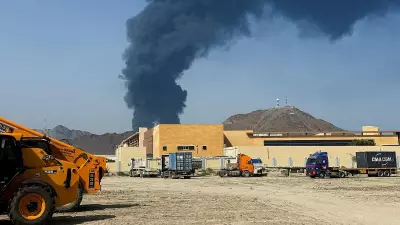
Ishaq Dar confirmed the strike on the strategically important Nur Khan airbase, a critical military installation. This statement provides an official, albeit indirect, confirmation of the operation's reach and impact, which had been widely reported but not formally acknowledged by Pakistani authorities until now. The details surrounding the extent of the damage or the nature of the attack were not elaborated upon in his remarks.
Clarification on International Mediation
Alongside this admission, the senior Pakistani leader addressed the diplomatic maneuvers during the tense period in May. Dar explicitly stated that Islamabad did not formally request any third-party mediation between Pakistan and India to de-escalate the situation.

However, he added a nuanced claim, suggesting that international figures had shown independent interest. According to Dar, US Secretary of State Marco Rubio and Saudi Foreign Minister Prince Faisal bin Farhan expressed a personal desire to initiate dialogue with New Delhi. This point appears to draw a distinction between a formal request from Pakistan and unsolicited diplomatic interest from other nations.
Context and Implications
The twin statements carry substantial weight for regional observers. The confirmation of the airbase attack validates certain assessments of Operation Sindoor's scope. Simultaneously, the clarification on mediation attempts underscores the complex diplomatic landscape, where global powers like the United States and influential regional players like Saudi Arabia often engage in behind-the-scenes efforts to prevent escalation between the nuclear-armed neighbors.
These developments, as disclosed by Pakistan's deputy PM, add new layers to the understanding of the May conflict's military and diplomatic dimensions. They highlight the ongoing sensitivity of India-Pakistan relations and the international community's vested interest in maintaining stability in South Asia.