Pakistan Declares Open War on Afghanistan, Launches Airstrikes
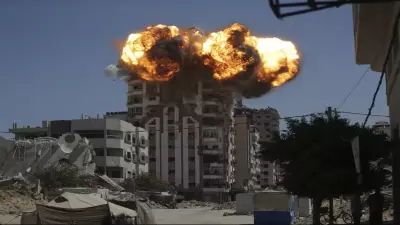
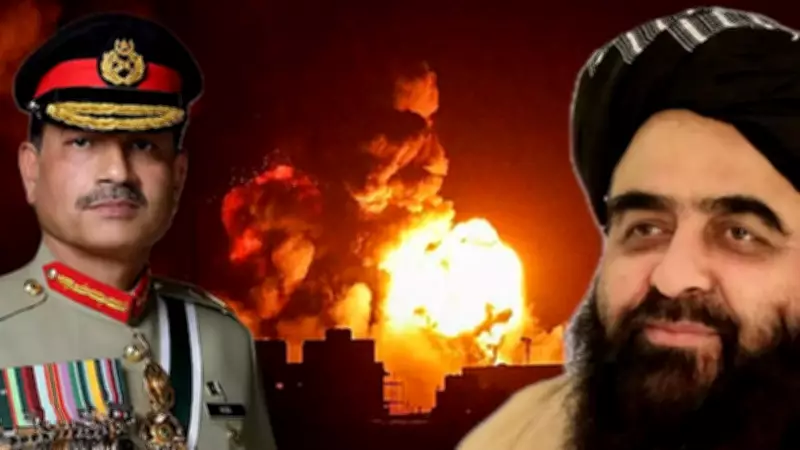
In a dramatic escalation of cross-border hostilities, Pakistan has officially declared "open war" against the Taliban government in Afghanistan. This declaration follows a series of targeted airstrikes conducted by Pakistani forces within Afghan territory, marking a significant and dangerous turn in regional tensions.
Background: Militant Attacks and Retaliatory Strikes
The military action comes in direct response to a recent wave of devastating militant attacks inside Pakistan. Islamabad has unequivocally blamed these assaults on militant groups that it claims are operating from safe havens across the border in Afghanistan. The Pakistani government asserts that these groups have been using Afghan soil to plan and launch operations against Pakistani security forces and civilian targets.
In retaliation for the airstrikes, the Taliban regime has mounted its own offensive operations along the contentious Durand Line—the historically disputed border between the two nations. This immediate and forceful response from the Taliban has significantly heightened fears among regional analysts and international observers of a protracted and bloody conflict that could destabilize the entire South Asian region.

Military Analysis: Superiority vs. Historical Context
On paper, Pakistan holds a clear and overwhelming conventional military advantage over Afghanistan. The Pakistani armed forces are larger, better equipped, and possess more advanced weaponry, including a modern air force capable of precision strikes. This disparity in military hardware suggests Pakistan could dominate in a traditional state-on-state confrontation.
However, the situation is far from simple. Afghanistan's long and storied history of fiercely resisting foreign military campaigns adds a critical and complex layer to this crisis. Often termed the "Graveyard of Empires," Afghanistan has successfully repelled invasions and occupations by some of the world's most powerful militaries throughout history, from the British Empire to the Soviet Union and, more recently, the United States-led coalition.
This historical precedent of resilient, asymmetric warfare means that despite Pakistan's superior firepower, a conflict could evolve into a long, grinding insurgency rather than a quick conventional victory. The Taliban, having recently fought a twenty-year war against a global superpower, are battle-hardened and deeply familiar with guerrilla tactics suited to Afghanistan's rugged terrain.
The Unfolding Crisis and Regional Implications
The declaration of open war and the ensuing exchange of strikes represent one of the most severe deteriorations in Pakistan-Afghanistan relations in recent decades. The crisis threatens to:
- Create a new, active front of instability in South Asia.
- Displace civilian populations on both sides of the border.
- Complicate international diplomatic efforts in the region.
- Potentially draw in or affect the strategic calculations of neighboring powers.
The key question now is whether Pakistan's conventional military muscle can achieve its objectives against the backdrop of Afghanistan's legendary capacity for resistance. The answer will determine the length, brutality, and ultimate outcome of this dangerous new chapter in cross-border conflict, with profound implications for regional peace and security.