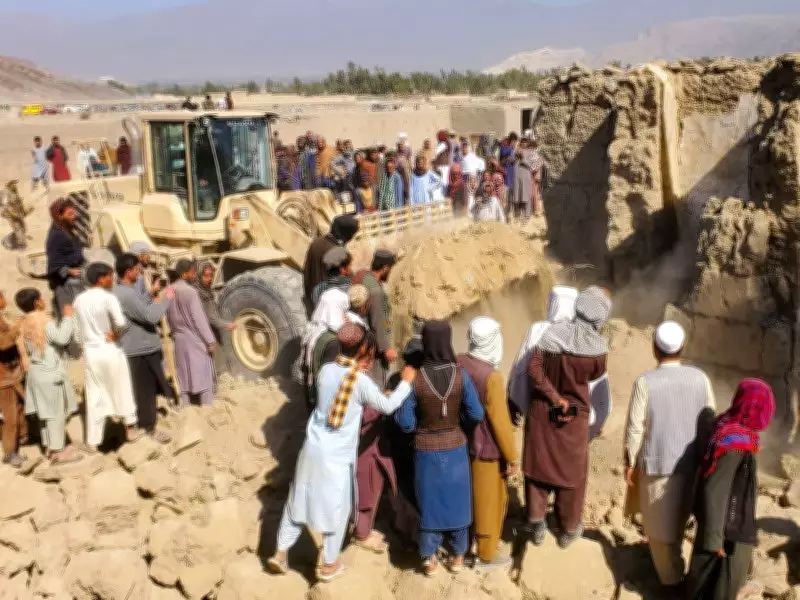
Pakistan Airstrikes Claim Over 80 Lives in Afghanistan
In a significant escalation of regional hostilities, Pakistan launched a series of cross-border airstrikes into Afghanistan, resulting in the deaths of more than 80 people. The military action, which targeted areas in Afghanistan's eastern provinces, has intensified diplomatic strains between the two neighboring countries, raising concerns about broader instability in South Asia.
Details of the Airstrikes
The airstrikes were conducted by Pakistani forces, reportedly targeting alleged militant hideouts and training camps operated by groups that Islamabad claims are responsible for attacks on its soil. According to initial reports, the strikes hit multiple locations in Afghanistan's Khost and Paktika provinces, areas known for their rugged terrain and historical use as sanctuaries by various insurgent factions.
Casualty figures have been confirmed by local Afghan officials, who stated that the death toll includes civilians alongside suspected militants. The exact breakdown of victims remains unclear, but humanitarian organizations have expressed alarm over the high number of fatalities, calling for an immediate investigation into potential violations of international law.

Regional and International Reactions
The Afghan government has condemned the airstrikes as a blatant violation of its sovereignty, with officials in Kabul demanding an urgent explanation from Pakistan. This incident marks one of the deadliest cross-border military actions in recent years, exacerbating long-standing tensions over border security and militant activities.
International observers, including the United Nations and regional powers, have urged restraint from both sides. Key points of concern include:
- The risk of further military escalation between Pakistan and Afghanistan.
- Potential humanitarian crises in affected Afghan communities.
- Implications for regional stability, particularly amid ongoing conflicts in the Middle East and elsewhere.
Background and Context
Relations between Pakistan and Afghanistan have been fraught for decades, with issues such as:
- Disputed border demarcations, notably the Durand Line.
- Allegations of cross-border militant support from both sides.
- Historical grievances stemming from the Afghan-Soviet War and subsequent conflicts.
Pakistan has frequently accused Afghanistan of harboring militants who launch attacks on Pakistani territory, while Afghanistan has countered with claims of Pakistani interference in its internal affairs. This latest airstrike underscores the fragile nature of bilateral ties and the challenges in achieving lasting peace in the region.
Looking Ahead
As the situation develops, diplomatic channels are expected to be activated to de-escalate tensions. However, the high casualty count from these airstrikes complicates efforts toward reconciliation. Analysts warn that without a concerted push for dialogue, further violence could destabilize not only Pakistan-Afghanistan relations but also impact broader South Asian security dynamics.
In summary, the cross-border airstrikes by Pakistan have resulted in a tragic loss of life in Afghanistan, highlighting urgent needs for conflict resolution and enhanced regional cooperation to prevent future incidents.