Pakistan Declares 'Open War' on Afghan Taliban Government
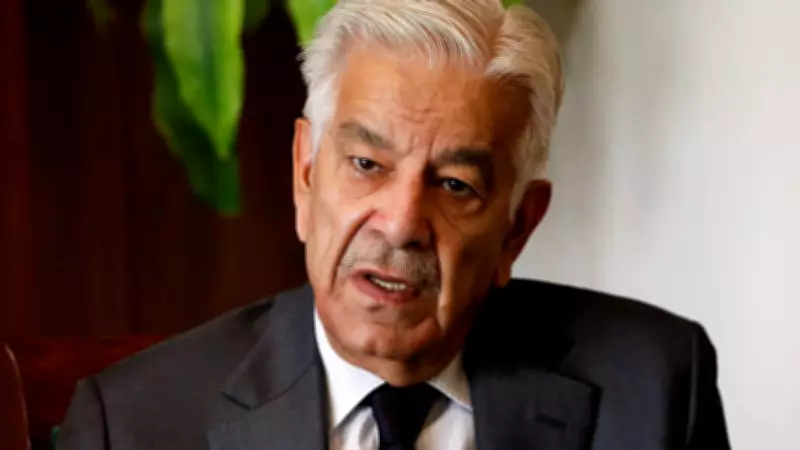
In a dramatic escalation of tensions, Pakistan's defence minister, Khawaja Asif, declared an "open war" against the Afghan Taliban government on Friday. This announcement followed renewed clashes along the shared border, with Asif stating on X, "Our patience has reached its limit. Now it is open war between us and you." The situation has rapidly deteriorated, leading to military actions from both sides.
Military Actions and Casualties
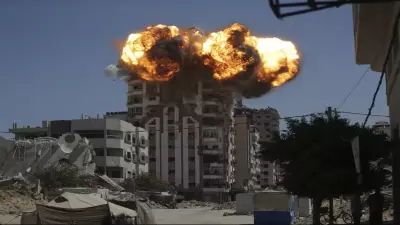
The escalation was triggered after Afghan forces attacked Pakistani troops along the frontier. In response, Islamabad launched air strikes on key Afghan cities, including Kabul and Kandahar. Taliban government spokesman Zabihullah Mujahid confirmed on X, "After airstrikes in Kabul, Kandahar and other provinces, once again wide-ranging retaliatory operations were launched against the positions of Pakistani soldiers, in the directions of Kandahar and Helmand as well." Pakistan's Information Minister, Attaullah Tarar, also posted on X, confirming that "Afghan Taliban defence targets were targeted in Kabul, Paktia (province) and Kandahar." Both militaries have reported dozens of casualties in the ongoing border violence, which follows multiple clashes and air strikes in recent months.
AFP journalists in Kabul reported hearing jets and multiple loud explosions, followed by gunfire over more than two hours. In Kandahar, where Supreme Leader Hibatullah Akhundzada is based, an AFP reporter also noted hearing jets overhead. The Taliban government acknowledged the air strikes but claimed there were no casualties from these attacks. Earlier, Mujahid had announced "large-scale offensive operations" at the border "in response to repeated violations by the Pakistani military." Afghan authorities reported eight soldiers killed during the land offensive, while civilians were wounded near the Torkham border crossing. Qureshi Badlun, Nangarhar province's information chief, stated, "A mortar shell has hit the camp and unfortunately seven of our refugees have been wounded, and the condition of one woman is serious."

Background and Failed Ceasefire Attempts
The border between Pakistan and Afghanistan has been largely closed since fighting in October, which resulted in more than 70 deaths on both sides. Several ceasefire attempts, mediated by Qatar, Turkey, and Saudi Arabia, have failed to bring lasting peace. Islamabad accuses Afghanistan of sheltering militants who target Pakistan, a claim that has fueled ongoing tensions. The recent air strikes by Pakistan came days after a series of deadly attacks in Pakistan, including a suicide bombing on a Shiite mosque in Islamabad that killed at least 40 people. This attack was claimed by the Islamic State group's Khorasan chapter, which also claimed a deadly attack in Kabul last month, highlighting the complex security challenges in the region.
The declaration of "open war" marks a significant shift in Pakistan's approach, moving from diplomatic efforts to direct military confrontation. As both sides continue to exchange fire and report casualties, the situation remains volatile, with potential implications for regional stability. The international community is closely monitoring the developments, as the conflict threatens to escalate further, impacting civilians and exacerbating humanitarian concerns along the border.