

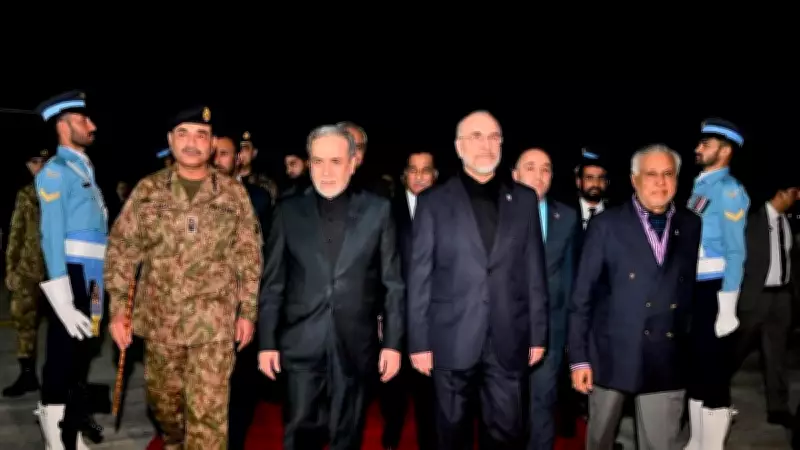
As peace talks between Iran and its adversaries reach a stalemate, Pakistan once again finds itself in a precarious position, striving to mediate a dialogue between the conflicting parties. The failure of a ceasefire could have significant repercussions for Pakistan, both diplomatically and in terms of security.
Diplomatic Challenges for Pakistan
Pakistan has historically played a role as a mediator in regional conflicts, but a breakdown in Iran ceasefire negotiations could undermine its credibility as a peace broker. Islamabad's efforts to balance relations with Tehran and Washington may become increasingly difficult, especially if the US pressures Pakistan to take a side. A prolonged stalemate could also strain Pakistan's ties with Saudi Arabia and other Gulf states, which have their own interests in the Iran situation.
Security Risks on the Border
An escalation of conflict near Pakistan's border with Iran could lead to a spillover of violence, including cross-border attacks and the influx of refugees. The Balochistan region, already volatile, could see increased militant activity. Pakistan may need to bolster border security, diverting resources from other critical areas.

Economic and Energy Concerns
Pakistan relies on energy imports from Iran, and any disruption due to conflict could worsen its energy crisis. Additionally, instability in the region could deter foreign investment and affect trade routes, further impacting Pakistan's fragile economy.
In summary, the failure of an Iran ceasefire poses multiple risks for Pakistan, from diplomatic isolation and security threats to economic setbacks. The country must navigate these challenges carefully while continuing to push for a peaceful resolution.






