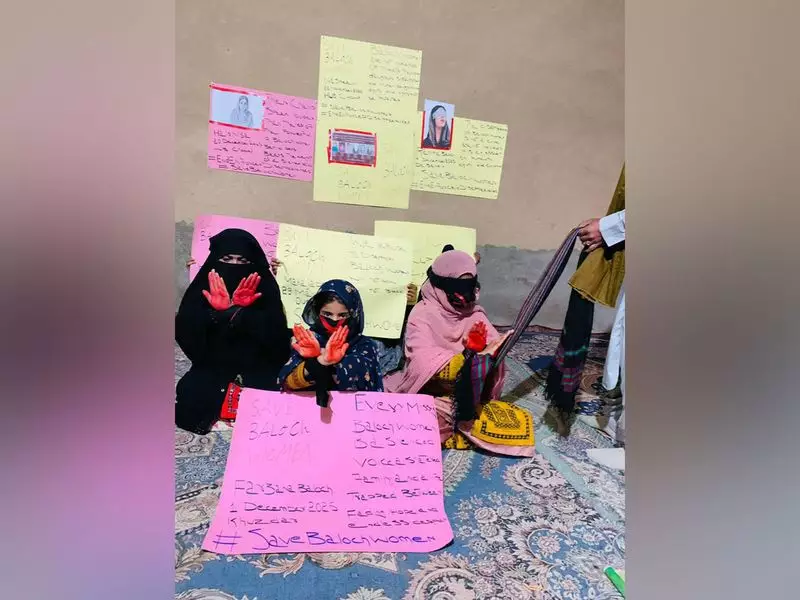
A heavy-handed police operation against a peaceful protest led by Baloch women in Islamabad has thrown a harsh spotlight on the worsening human rights situation in Pakistan's troubled province of Balochistan. The incident, which involved the detention of numerous protesters including women and children, has drawn sharp condemnation from rights groups and amplified long-standing grievances.
Violent Dispersal of a Peaceful Sit-In
The confrontation unfolded in the capital city of Islamabad on a recent Wednesday. A group of demonstrators, predominantly women from Balochistan, had organised a sit-in to demand answers regarding the alleged enforced disappearances of their family members. According to eyewitness accounts and reports from human rights observers, the protest was entirely peaceful until a large contingent of police officers arrived at the scene.
Instead of engaging in dialogue, the police forces reportedly resorted to aggressive tactics. Protesters, including women and minors, were physically manhandled, dragged, and forcibly loaded into police vehicles. The scene was marked by chaos and distress as the demonstrators, who were exercising their constitutional right to peaceful assembly, were taken into custody. This crackdown was not an isolated event but a response to a planned long march from Turbat to Islamabad, highlighting the determination of the Baloch community to seek justice.

The Core Issue: Enforced Disappearances in Balochistan
At the heart of this protest lies a deep and persistent crisis in Balochistan. For decades, residents of the province have accused Pakistani state authorities, particularly intelligence agencies, of engaging in the practice of enforced disappearances. Baloch political activists, students, and intellectuals often vanish without a trace, their families left with no legal recourse or information. The protest in Islamabad was a direct appeal by these families, especially women who have lost sons, brothers, and husbands, demanding their safe return or, at the very least, accountability and transparency from the state.
The state's typical response has been to label missing persons as victims of militant infighting or to claim they have joined insurgent groups. However, human rights organisations consistently reject these explanations, pointing to a systematic pattern of abuse aimed at silencing dissent in the resource-rich but restive province. The crackdown on the Islamabad sit-in is seen as an extension of this oppressive policy, now moving from the peripheries to the very centre of federal power.
National and International Repercussions
The police action has triggered a significant backlash within Pakistan. Politicians, journalists, and civil society members have widely condemned the use of force against women protesters. Critics argue that the incident exposes the government's hollow claims about protecting civil liberties and its failure to address the legitimate concerns of its citizens in Balochistan.
Internationally, the event is likely to further damage Pakistan's human rights record, which is already under scrutiny from bodies like the United Nations Human Rights Council. The visual imagery of women being dragged by police is a powerful symbol that resonates globally, undermining Pakistan's diplomatic narratives. It reinforces the perception of a severe internal rights crisis that the state is attempting to manage through coercion rather than reconciliation.
Furthermore, this incident risks exacerbating the already profound sense of alienation and injustice felt in Balochistan. By meeting a peaceful, familial protest with force, the state risks fueling the very resentment and instability it claims to be combating. The path forward, as urged by rights advocates, requires a genuine, transparent investigation into thousands of cases of missing persons and a move towards political engagement to resolve the province's grievances.