Protester Interrupts Hegseth During Senate Hearing
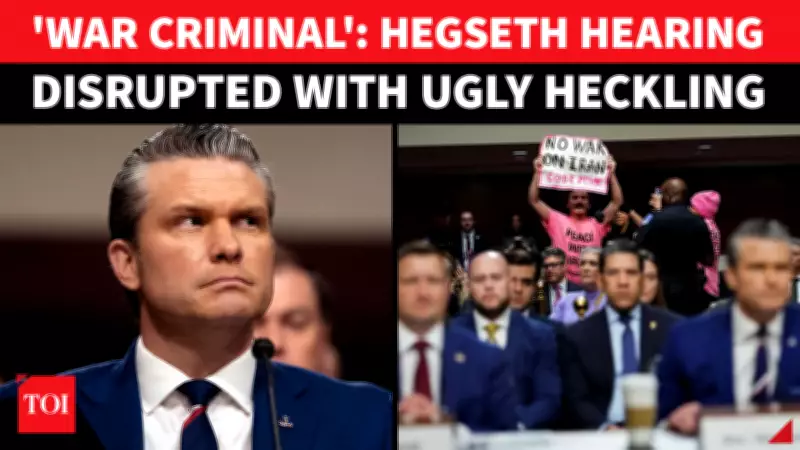
Tensions escalated during a Senate hearing on May 1, 2026, as Defence Secretary Pete Hegseth was interrupted by protesters while delivering his opening statement. The protesters voiced strong opposition to U.S. involvement in the ongoing conflict, with one individual shouting, "We don't wanna fight your war" and calling the war "despicable" and unsupported by the American people.
Security Removes Protesters
Security personnel quickly intervened, escorting the protesters out of the hearing room. The disruption briefly halted proceedings before Senator Roger Wicker, who was chairing the session, addressed the situation. Wicker reaffirmed respect for free speech but warned that interruptions would not be tolerated. The hearing resumed shortly after, but the incident highlighted growing domestic tensions and public dissent over U.S. military actions.
Context of the Hearing
The hearing was convened to discuss U.S. military strategy and defense policies. Hegseth's testimony comes amid heightened scrutiny of American involvement in conflicts abroad, with critics arguing that the prolonged engagements strain resources and public support. The protest underscores a broader debate about the direction of U.S. foreign policy.

Related Coverage
- Hegseth grilled in House for sending 3 US carriers to Mideast
- ‘US will be pushed out’: Mojtaba signals Hormuz control shift
- Hegseth scolded for sacking army chief amid Iran war
- US frees 6 Iranian crew after dramatic ship seizure
- Arab fighter jets thunder near Israel in ‘Badr’ military show
- Iran flexes drone power; new Arash-2 displayed in Tehran rally
- Congman Vindman's brutal swipe at Hegseth on Iran war
- Trump on retreat? US pulls back USS Gerald Ford from Middle East
- Desperate Trump makes 4-word plea to Iran’s Khamenei
- Rep. Sara trashes Hegseth's Iran victory claim in savage faceoff
The incident serves as a reminder of the deep divisions within the United States over its military engagements, as lawmakers and the public continue to debate the costs and benefits of interventionist policies.