Protests have erupted across Pakistan following the sudden and unexplained disappearance of a prominent trade union leader, sparking outrage among labour rights activists and civil society groups who are demanding his immediate release from what they term illegal custody.
Who is the Missing Trade Unionist?
The individual at the centre of this controversy is Nasir Mansoor, the secretary-general of the National Trade Union Federation (NTUF). According to reports from his family and colleagues, Mansoor went missing on Tuesday, February 20, 2024. He was last seen leaving his home in Karachi, after which his whereabouts became unknown. His family alleges that he was picked up by state agencies, a claim that has fueled widespread condemnation.
Nasir Mansoor is a well-known figure in Pakistan's labour movement. He has been a vocal advocate for workers' rights and has actively participated in various campaigns for better wages and working conditions. His disappearance is seen as part of a disturbing pattern of enforced disappearances targeting activists and dissenting voices in the country.

Widespread Protests and Demands for Justice
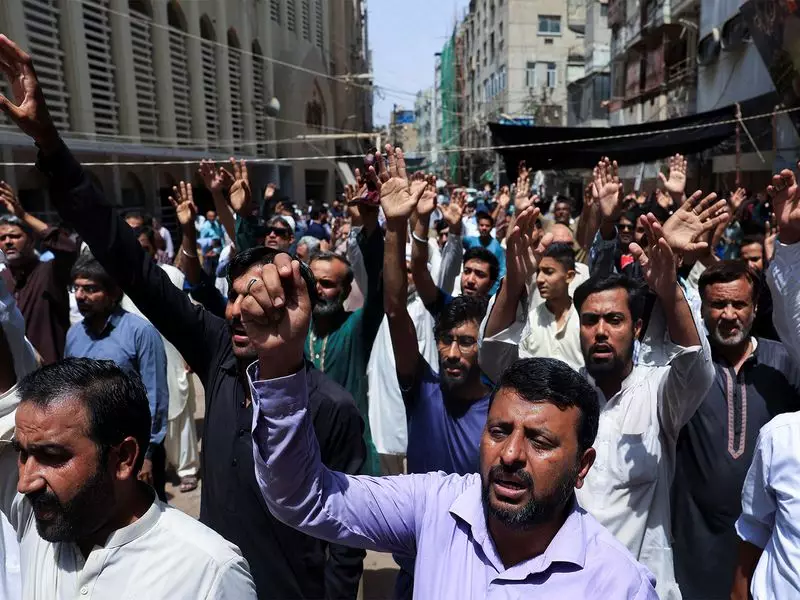
In response to Mansoor's disappearance, a coalition of trade unions, human rights organisations, and civil society activists staged a significant protest demonstration. The protesters gathered at the Karachi Press Club, holding placards and chanting slogans demanding his safe recovery.
The demonstrators have made several clear demands to the authorities:
- The immediate and safe release of Nasir Mansoor.
- A transparent investigation into the circumstances of his disappearance.
- An end to the practice of enforced disappearances and illegal detentions in Pakistan.
- That the state must adhere to the rule of law and present any accused individual before a court of law.
Protest leaders have accused intelligence and security agencies of being behind the abduction, stating that such actions create an atmosphere of fear and stifle legitimate political and social activism. They argue that if Mansoor is accused of any crime, he should be formally charged and presented in a court, not held incommunicado.
A Pattern of Pressure on Activists
This incident is not isolated. Pakistan has a long and troubled history of enforced disappearances, particularly in Balochistan and Khyber Pakhtunkhwa provinces, but also targeting activists and journalists in major cities like Karachi. Human rights groups, both domestic and international, have repeatedly criticised the Pakistani state for this practice.
The protest over Mansoor's case highlights the growing tension between the state and civil society. Trade unionists, journalists, and human rights defenders often operate under significant pressure, with the threat of abduction or legal harassment used as tools to silence criticism. The demonstrators emphasised that the right to organise and protest is fundamental in a democracy and must be protected.
As of now, there has been no official statement from the government or law enforcement agencies acknowledging Mansoor's detention or providing information on his status. This silence has only intensified the anger and anxiety among his family, colleagues, and the wider activist community. The case of Nasir Mansoor has become a flashpoint, symbolising the ongoing struggle for civil liberties and the right to dissent in Pakistan.