

Proxies and Levers: The Middle East Conundrum
Proxies and levers represent two distinct yet interconnected concepts in modern conflict analysis. While proxies typically refer to forces engaged in war or near-war situations, levers function as tools of diplomacy, coercion, and negotiation applicable in standoffs without actual combat. These mechanisms also operate during ongoing conflicts to limit, ignite, or terminate hostilities.
Understanding Proxy Warfare
The term 'proxy war' describes armed conflicts where at least one belligerent receives direction or support from an external third-party power. Such wars can remain conventional, as seen in the Russia-Ukraine conflict where Ukraine acts as a virtual proxy for NATO, led by the United States. Alternatively, proxy wars may involve irregular forces employing militant, guerrilla, or terrorist tactics to achieve objectives.
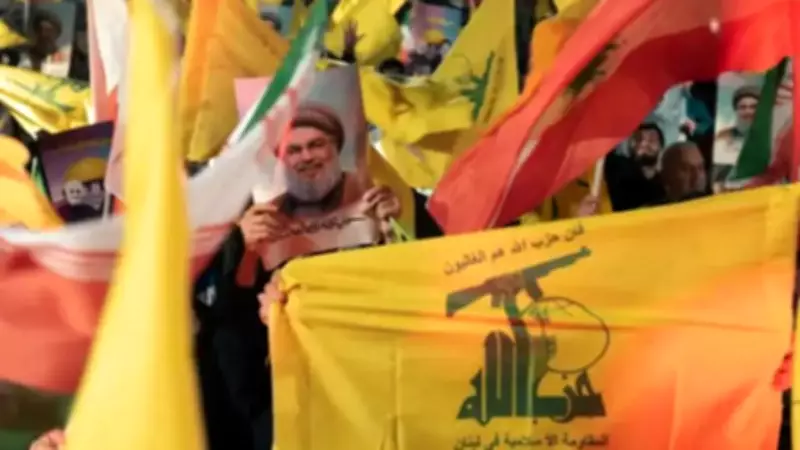
In the Middle East, prominent examples include the Houthis in Yemen, representing Iranian interests against the Saudi-led Islamic Military Counter Terrorism Coalition, and Hezbollah in Lebanon, another Iranian proxy. However, classification challenges arise with conflicts like Israel's wars with Arab states, which receive substantial US support but don't fully fit proxy war characteristics due to Israel's independent capabilities.

The Nature of Strategic Levers
Levers represent instruments powerful states employ to exert influence and manipulate situations advantageously. These include economic aid, military support, diplomatic pressure, humanitarian assistance, economic sanctions, and resource control. A prime example is US support to Iraq during the Iran-Iraq War, which served as a major lever despite Iraq not being a US proxy.
Iran's approach exemplifies using proxies as levers through its Islamic Revolutionary Guard Corps, which protects ideological frontiers while controlling out-of-area contingencies via calibrated, deniable proxy operations.
Root Causes of Middle Eastern Conflicts
Four primary factors have driven regional conflicts over the past 75 years:
- Unsettled Boundaries: Post-colonial border disputes and unrealistic demarcations like the Sykes-Picot Line have created displaced populations, most notably Palestinians seeking return to their lands.
- Energy Resources: Oil and natural gas reserves have fueled manufacturing capabilities globally, with their value skyrocketing after the 1973 Yom Kippur War.
- Strategic Location: The Middle East's position along crucial trade routes and sea channels draws international attention and intervention.
- Religious Diversity: The region serves as a crucible for competing faiths passionately clinging to loyalties without sharing cultural or ideological space.
Significant Proxy Conflicts in the Region
Several recent proxy wars demonstrate complex characteristics worth studying:
- Syrian Civil War (2011-present): Iran and Hezbollah supported the Syrian government while Saudi Arabia, Turkey, and the US backed various rebel groups, creating a conflict where allegiances became increasingly blurred.
- Yemen Civil War (2015-present): Iran supports Houthi rebels against the Saudi-led coalition backing Yemen's internationally recognized government, with Houthis expanding targets to include Israeli and US assets.
- Iraq Civil War (2014-2017): Iran supported Shia militias against ISIS while the US and Western nations backed Iraqi government and Kurdish forces, creating a rare alignment between US and Russian interests.
- Gaza Wars (2008-2025): Iran supported Hamas and Palestinian militant groups against Israel, with the 2023-25 conflict demonstrating proxies' ability to prepare outside Israel's intelligence gaze.
Characteristics of Proxy Warfare
Proxy conflicts share several defining features:

- Indirect Involvement: Sponsors provide support while avoiding direct military engagement to minimize escalation risks.
- Asymmetric Warfare: Proxy forces employ unconventional tactics against conventional military forces.
- Deniability: Sponsors maintain plausible deniability regarding their involvement.
- Limited Control: Sponsors often have restricted influence over proxy actions and agendas.
- Long-Term Commitment: Conflicts can last decades, requiring sustained support.
- Humanitarian Consequences: Significant civilian suffering often results with limited accountability.
The Power of Levers in Regional Conflicts
Levers function as instruments nations use to coerce, threaten, or dominate adversaries before, during, or after conflicts. Their application involves multiple dimensions:
- Economic Power: Oil and gas resources, sanctions, and aid significantly influence conflict dynamics.
- Diplomatic Power: International organizations and bilateral relationships shape regional outcomes.
- Big Power Involvement: Major powers' interests create complex alignments and equations.
- Non-State Actors: Groups like Hezbollah and Hamas add layers of complexity to traditional state-centric approaches.
Interconnection Between Proxies and Levers
Proxy groups frequently serve as levers for regional powers to assert control over local conflicts. Iran's support for Hezbollah and the Houthis exemplifies how proxies counter Saudi influence and disrupt US interests. These relationships often escalate local disputes into broader geopolitical confrontations while sometimes preventing larger conflicts from erupting.
Strategic Lessons for India
The Middle Eastern experience offers several insights:
- Strategic Use of Proxies: While India has experience countering proxy threats, offensive use requires caution due to potential blowback.
- Managing Sectarian Divisions: Internal stability must be maintained to prevent adversary exploitation.
- Countering Terrorism: Building international consensus and strengthening capabilities remains crucial.
- Self-Reliance: Atmanirbharta across sectors reduces vulnerability to strategic levers.
- Balanced Approaches: Military solutions should complement diplomatic and political initiatives.
Conclusion
The dynamics of proxy warfare in the Middle East reveal a complex interplay of regional and global influences shaping ongoing conflicts. Proxies serve as essential levers enabling state actors to project power and pursue strategic objectives without direct military costs. However, this reliance often leads to prolonged violence, instability, and humanitarian crises. As external powers continue supporting various factions, the region faces escalating cycles that complicate peace efforts. While 'proxies and levers' represent a dangerous conflict management course, they allow pursuing conflicts at lower intensity with reduced escalation risks, though always carrying unpredictable fallout potential.





