

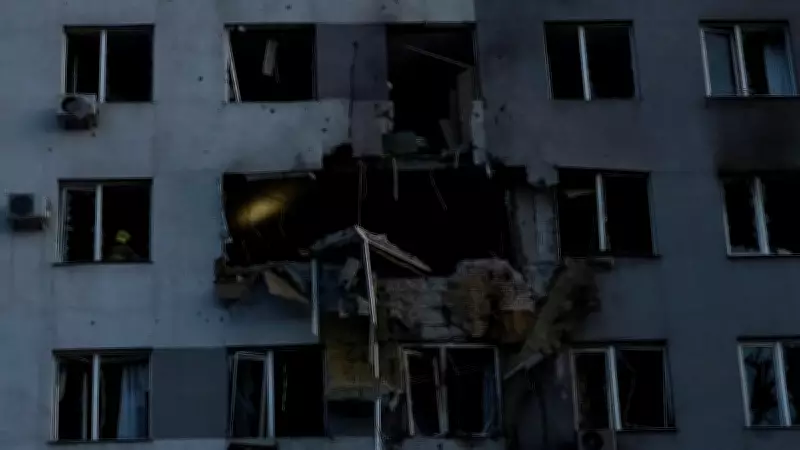
Russia Escalates Military Operations with Coordinated Strikes on Ukraine
In a significant escalation of hostilities, Russia has conducted a series of aggressive military operations against Ukraine, utilizing a combination of drones and missiles in both overnight and daytime attacks. This latest offensive marks a continuation of the prolonged conflict that has gripped the region, causing widespread concern among international observers and heightening the humanitarian crisis.
Details of the Coordinated Assault
The attacks unfolded over a sustained period, with initial strikes occurring overnight and persisting throughout the following day. Russian forces deployed unmanned aerial vehicles, commonly known as drones, alongside various types of missiles to target multiple locations across Ukraine. The use of such advanced weaponry underscores the intensity of the assault and the strategic intent to disrupt Ukrainian defenses and infrastructure.
Military analysts report that the drone and missile barrage was likely aimed at key military installations, urban centers, and critical supply lines, though specific targets have not been fully disclosed. The timing of the strikes, spanning both night and day, suggests a calculated effort to maximize impact and strain Ukrainian response capabilities, potentially overwhelming air defense systems and causing significant damage.

Impact on the Ground and Regional Stability
The consequences of these attacks are expected to be severe, with potential casualties, destruction of property, and further displacement of civilians. Ukraine's emergency services have been mobilized to address the aftermath, including firefighting, rescue operations, and medical aid for those affected. The ongoing conflict has already resulted in thousands of deaths and millions of refugees, and this latest escalation threatens to exacerbate the situation.
International reactions have been swift, with global leaders condemning the violence and calling for an immediate cessation of hostilities. The United Nations and other diplomatic bodies are monitoring the developments closely, emphasizing the need for peaceful resolution and adherence to international law. The conflict has broader implications for global security, energy markets, and geopolitical alliances, making it a focal point of worldwide attention.
Broader Context of the Russia-Ukraine Conflict
This incident is part of a larger pattern of aggression that began with Russia's full-scale invasion of Ukraine in February 2022. Since then, the war has evolved into a protracted struggle, with both sides engaging in frequent skirmishes and major offensives. The use of drones and missiles has become increasingly common, reflecting advancements in military technology and tactics employed in modern warfare.
Key factors driving the conflict include:
- Territorial disputes over regions like Crimea and Donbas.
- Geopolitical tensions between Russia and Western nations supporting Ukraine.
- Economic and energy-related issues affecting global stability.
As the situation continues to unfold, experts warn that further escalations could lead to more devastating outcomes, including potential spillover effects into neighboring countries. The international community remains divided on responses, with some nations imposing sanctions on Russia while others provide military and humanitarian aid to Ukraine.
In summary, Russia's latest attacks on Ukraine with drones and missiles represent a dangerous intensification of the conflict, highlighting the ongoing volatility in the region and the urgent need for diplomatic efforts to restore peace and security.






