Russia's Federal Security Service (FSB) has made public a video showing what it claims is a Ukrainian unmanned aerial vehicle (UAV) that was used in an attempt to attack President Vladimir Putin's official residence. The footage, released on Tuesday, marks a significant escalation in the war of narratives between Moscow and Kyiv.
The FSB's Video Evidence and Claims
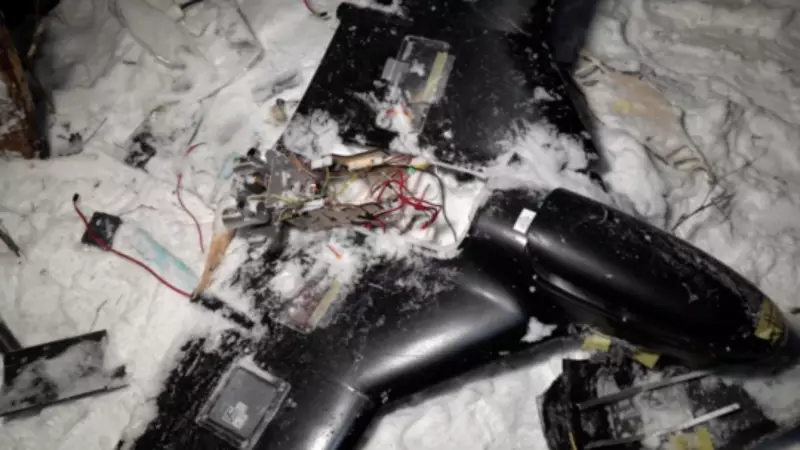
The released video, which lasts several minutes, displays a detailed examination of a damaged drone. Russian security officials assert that this specific UAV was one of two deployed in a mission to strike the Kremlin complex, the primary workplace and official residence of the Russian President. According to the FSB, the incident occurred on the night of May 3, 2023.
The security service stated that the drones were neutralized using electronic warfare systems before they could reach their intended target. The FSB further alleged that the attack was planned and executed by Ukrainian special services. In a more provocative claim, Moscow insisted that the operation was conducted with the direct consultation and support of the United States. Washington and Kyiv have consistently denied any involvement in such an attack.

Technical Details and Alleged Western Links
The video meticulously showcases the components of the downed drone. Investigators point to specific parts, including the navigation module and the explosive payload, suggesting a sophisticated design. Russian authorities claim the UAV was a modified version of a civilian model, adapted for military purposes with foreign-made technology.
Russia's Investigative Committee has officially launched a criminal case into the incident, labeling it an "act of terrorism." The narrative pushed by Moscow is that this attack, aimed at the symbolic heart of Russian power, underscores the direct threat posed by the Kyiv regime and its Western backers. This release is seen as an effort to bolster domestic support and justify the ongoing military campaign in Ukraine as a defensive necessity.
International Reactions and Ongoing Conflict
The public disclosure of the drone video has intensified diplomatic tensions. Ukraine has dismissed the Russian claims as a "provocation" aimed at justifying further aggression and mobilizing public opinion. Independent analysts and Western governments have been skeptical of Moscow's account, often viewing such announcements through the lens of information warfare.
This event is part of a broader pattern of alleged strikes on symbolic Russian targets, including earlier drone incidents over the Kremlin walls. Each such event raises concerns about the potential for escalation and the geographical spread of the conflict. The war, now in its third year, continues to be characterized by battlefield stalemates, long-range drone and missile strikes, and a relentless information battle where both sides seek to control the global narrative.
The release of the FSB video serves multiple purposes for the Kremlin: it demonstrates a perceived threat to national leadership, attempts to implicate the West directly in attacks on Russian soil, and reinforces the official justification for the "special military operation." As the conflict drags on, such high-profile accusations and evidence releases are likely to continue, complicating diplomatic efforts and deepening the rift between Russia and the NATO alliance.