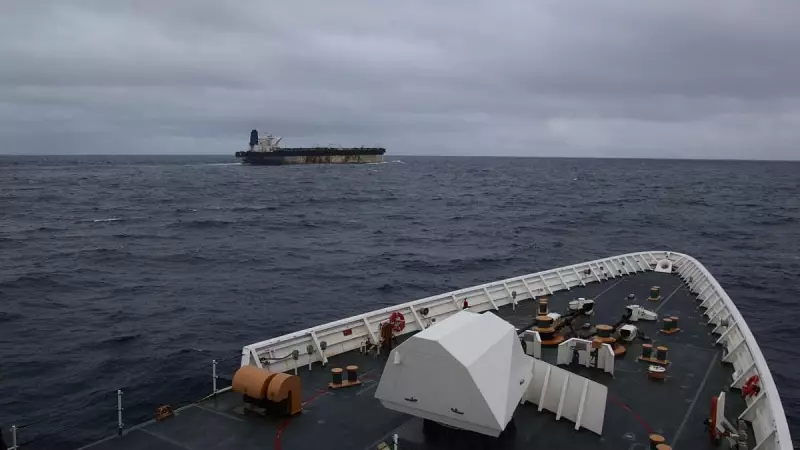
Russia has launched a sharp diplomatic protest against the United States, accusing it of violating international maritime law. The accusation stems from the recent seizure of a crude oil tanker by US authorities.
Moscow's Formal Protest Over Tanker Incident
The Russian Foreign Ministry summoned the US charge d'affaires in Moscow, expressing a strong protest regarding the seizure of the Liberian-flagged oil tanker. According to a statement released by the ministry, this action by American authorities constitutes a blatant breach of international law governing maritime activities.
The tanker in question, named the Vladimir Tikhonov, is reportedly owned by the Russian state-run shipping giant Sovcomflot. The vessel was carrying a cargo of crude oil when it was intercepted and seized. While the exact location of the seizure was not detailed in the Russian statement, the incident highlights the escalating reach of Western sanctions enforcement on the high seas.

US Actions and Russian Vows of Protection
The United States has not yet issued a detailed public response to Russia's latest allegations. However, the seizure is widely seen as part of a broader effort by Washington and its allies to enforce a complex web of sanctions imposed on Russia following its military operation in Ukraine. These sanctions aim to cripple Moscow's ability to finance its war efforts, with energy exports being a primary target.
In its statement, the Russian Foreign Ministry was unequivocal in its condemnation. It labeled the US move as "illegal" and "predatory", arguing that it sets a dangerous precedent that undermines the global legal framework for shipping. Furthermore, Moscow issued a stern warning, vowing to take "all necessary measures" to protect its property and interests from what it perceives as unlawful confiscation by foreign states.
Broader Implications for Global Shipping and Diplomacy
This incident marks a significant and dangerous escalation in the economic confrontation between the West and Russia. Moving beyond freezing assets within their own jurisdictions, the direct seizure of a vessel on international waters represents a more aggressive tactic. It raises profound questions about the limits of sanctions enforcement and the potential for conflict in global maritime corridors.
The fallout from this event is likely to be multifaceted. Key areas of impact include:
- Legal Precedent: The incident will spark intense debate in international legal circles about the jurisdictional reach of unilateral sanctions on the high seas.
- Shipping Insurance and Routes: Russian shipping companies and their international partners may face even higher insurance premiums and logistical complexities, further disrupting global trade flows.
- Diplomatic Tensions: This direct action significantly increases diplomatic friction between two nuclear powers, making de-escalation and dialogue more difficult.
- Energy Markets: While the immediate volume of oil seized may be small, the action signals relentless Western pressure on Russian energy exports, contributing to market volatility.
For India, a major importer of Russian crude oil, such incidents underscore the growing risks and complexities involved in navigating the sanctions regime. Indian refiners have benefited from discounted Russian oil, but enforcement actions like tanker seizures add a layer of operational and legal risk to these transactions.
The seizure of the Vladimir Tikhonov tanker is more than a bilateral dispute; it is a test case for the enforcement mechanisms of the new sanctions-based world order. Russia's vehement protest and promise of retaliation ensure that the waves from this incident will be felt far beyond the immediate parties involved, challenging the very rules of engagement on the world's oceans.