In a sharp escalation of rhetoric, Russia has declared that any Western military personnel sent to Ukraine would be considered "legitimate combat targets." This stark warning from Moscow comes directly in response to recent announcements from Britain and France regarding plans for a potential multinational force deployment in Ukraine.
Western Plans Trigger Moscow's Stern Response
The Russian foreign ministry issued a strongly-worded statement on Thursday, labelling recent "militaristic declarations" by a coalition of pro-Ukraine Western governments as increasingly dangerous. This marks Russia's first official reaction to a significant meeting held in Paris on Tuesday.
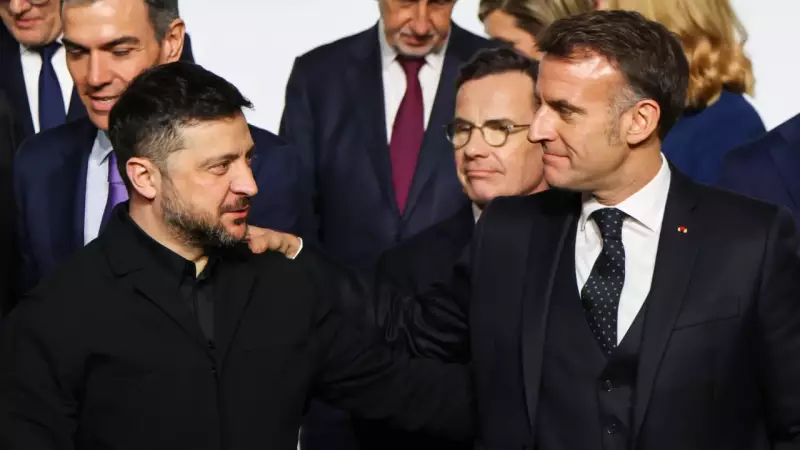
At that meeting, termed the "coalition of the willing," Britain and France took a major step by signing a declaration of intent. This document outlines plans for a future military deployment to Ukraine, potentially in the event of a ceasefire. French President Emmanuel Macron indicated the scale could involve thousands of French troops. British Prime Minister Keir Starmer framed the agreement as creating a legal framework for British, French, and partner forces to operate on Ukrainian soil.

Russia's "Axis of War" Accusation and Direct Threat
Moscow's statement left no room for ambiguity regarding its stance. It explicitly warned that the deployment of Western military units, facilities, or infrastructure on Ukrainian territory would be classified as a foreign intervention. Russia framed this not just as a threat to its own security, but as a direct threat to the security of other European countries as well.
The core of the threat was clear: "All such units and facilities will be considered legitimate combat targets of Russian Armed Forces." The language escalated further, with Russia accusing the coalition and the Kyiv regime of forming a veritable "axis of war." The statement concluded with a grave warning about the destructive nature of these plans for the future of the European continent and its people.
Implications and the Path Forward
This development significantly raises the stakes in the ongoing conflict. The Western coalition's move to formalize deployment plans represents a potential shift in the level of direct involvement, while Russia's response draws a stark red line. The situation creates a precarious diplomatic and military standoff, where any future deployment now carries an explicit threat of direct confrontation with Russian forces. The international community watches closely as these declarations harden positions, making the search for a peaceful resolution even more complex and urgent.