

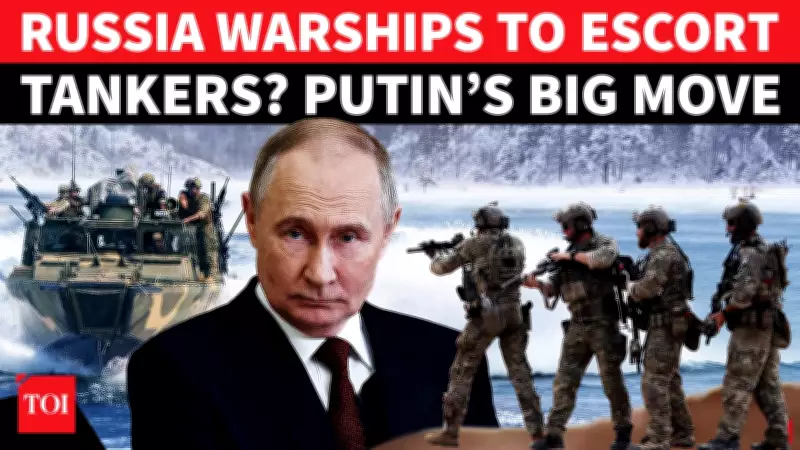
The Baltic Sea is on the verge of a military escalation. Russia has warned that it is ready to deploy warships to escort its commercial fleet, responding to what it describes as aggressive NATO insurance inspections and the newly launched 'Baltic Sentry' mission. This development marks a significant uptick in tensions between Russia and NATO, with the Kremlin taking steps to reflag its so-called 'shadow fleet' to claim sovereign immunity and placing armed security personnel on tankers.
Escalating 'Gray Zone' Conflict
The conflict, which has been simmering in the 'Gray Zone' of hybrid warfare, is now turning white-hot. Moscow's decision to consider naval escorts is a direct response to NATO's enhanced maritime surveillance and inspection regime, which Russia views as a blockade. The Baltic Sentry mission, announced by NATO earlier this year, aims to monitor and deter any potential Russian aggression against undersea infrastructure and commercial shipping.
Risks of a Catastrophic Clash
NATO officials have warned that mixing warships with under-insured tankers is a recipe for a catastrophic clash or environmental disaster. The presence of armed security on Russian tankers further complicates the situation, as any interaction between NATO and Russian vessels could quickly spiral out of control. The Baltic Sea, a vital waterway for global trade, is now a flashpoint for potential military confrontation.

Russia's 'Shadow Fleet' and Sovereign Immunity
In a bid to protect its commercial interests, Russia has been reflagging its tankers to claim sovereign immunity, a move that shields them from certain inspections and legal actions. By placing armed security on these vessels, Moscow aims to deter any attempts by NATO to board or search them. However, this strategy also increases the likelihood of a direct military engagement, as any use of force could be met with a swift response from Russian warships.
NATO's Response and Preparedness
NATO has responded by increasing its naval presence in the region, with exercises and patrols designed to demonstrate its commitment to freedom of navigation. The alliance has also called on Russia to de-escalate the situation and engage in diplomatic dialogue. However, with both sides unwilling to back down, the Baltic Sea remains a tinderbox that could ignite at any moment.
The situation is further complicated by the broader geopolitical context, including the ongoing war in Ukraine and tensions in other regions such as the Middle East. As Russia weighs its options, the international community watches closely, hoping to avoid a conflict that could have far-reaching consequences for global security and trade.






