Russian Air Attack Demolishes Ukraine's Second Largest City; NATO-US Air Defences Fail Rendered Useless?
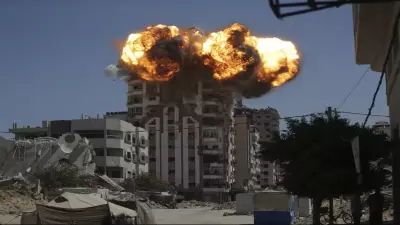
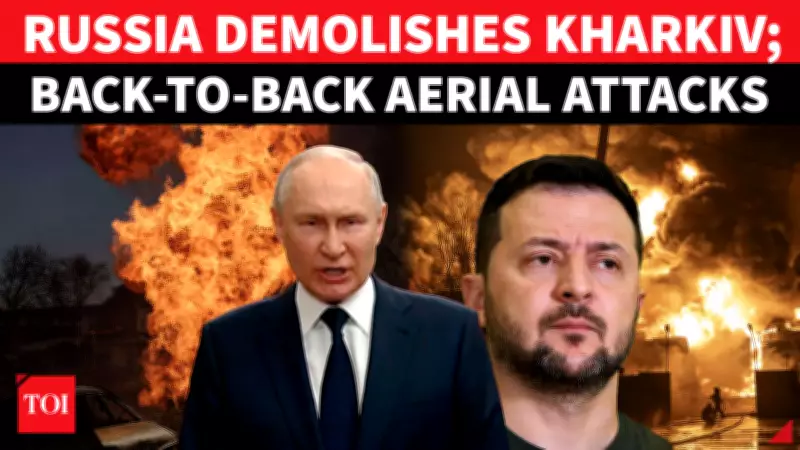
Russian military forces have dramatically escalated their offensive against Kharkiv, Ukraine's second-largest city, launching a devastating air assault amid harsh winter conditions. According to Ukrainian authorities, the strikes have resulted in the tragic deaths of at least four individuals, including three children, highlighting the severe humanitarian toll of the ongoing conflict.
Intensified Bombardment in Kharkiv Region
Regional officials report that glide bombs targeted residential areas in the Kharkiv region for a second consecutive day, causing widespread destruction to homes and leaving numerous civilians injured. The attacks have plunged the city into chaos, with emergency services struggling to respond as temperatures plummet. This renewed bombardment underscores Russia's strategic focus on urban centers, aiming to weaken Ukrainian morale and infrastructure.
Civilian Casualties Mount Amid Prolonged War
The latest violence adds to a grim tally of civilian losses, with the United Nations warning that 2025 has been the deadliest year since the invasion began nearly four years ago. The conflict's widening scope is evident as Russia also claimed it intercepted a Ukrainian drone targeting energy infrastructure in the Volgograd region, signaling an expansion of military engagements beyond frontline areas.

Questions Over NATO and US Air Defence Systems
As Kharkiv burns under relentless attacks, serious concerns are emerging about the effectiveness of NATO and US-supplied air defence systems in protecting Ukrainian cities. Analysts speculate whether these defences have been rendered useless due to advanced Russian tactics or overwhelming firepower, raising alarms about the broader security implications for the region.
The international community watches with growing apprehension as the war enters a critical phase, with diplomatic efforts stalled and humanitarian crises deepening. The targeting of Kharkiv, a key cultural and economic hub, represents a significant escalation that could reshape the conflict's trajectory in the coming months.