The director of a major Russian defence manufacturing firm died in a shocking incident at the heart of the nation's capital. The man set himself on fire at Moscow's iconic Red Square, an act that has cast a stark light on the severe pressures facing Russia's military-industrial complex.
A Desperate Act at a National Symbol
The individual was identified as the head of the Volna Central Scientific Research Institute in Arsenyev. On 23 December 2025, he carried out the fatal self-immolation in Red Square. This location, steeped in historical and political significance for Russia, turned into the scene of a profound personal tragedy linked to professional turmoil.
Initial reports confirmed by news agency Reuters indicate the man succumbed to his injuries. The act was not random but appears deeply connected to the crippling difficulties his state-critical enterprise was experiencing.

Unpacking the Pressure on Defence Firms
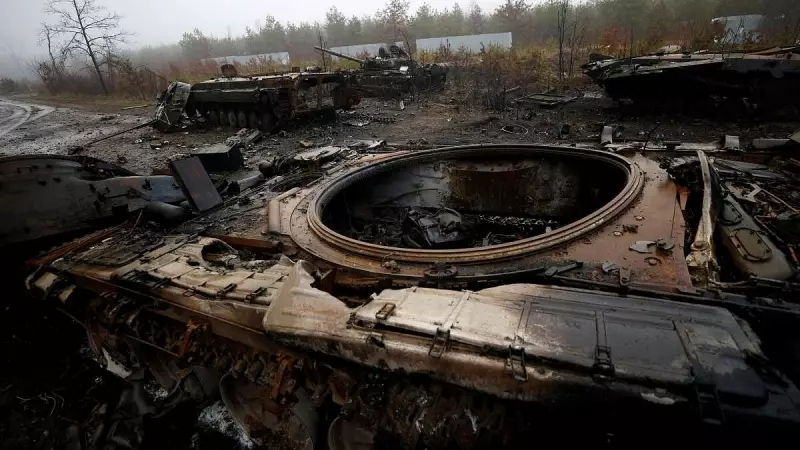
The incident brings into sharp focus the immense strain on Russian defence companies. For years, these entities have faced relentless demands from the state to significantly ramp up production of military hardware and technology.
The Volna Central Scientific Research Institute is a key part of this ecosystem. As a scientific research hub, its challenges likely extend beyond simple manufacturing quotas. They may involve complex technological innovation under tight deadlines, budget constraints, and supply chain issues exacerbated by international sanctions.
The firm's struggles, now tragically embodied by its director's final act, reveal a breaking point. It showcases the human cost behind the national drive for military output, where corporate leaders bear the ultimate responsibility for meeting state mandates.
Broader Implications for Russia's War Economy
This event is more than an isolated personal crisis. It serves as a grim indicator of the systemic stress within Russia's defence-industrial base. The government's demands for increased production to support military objectives have created an environment of extreme pressure.
The consequences are multifaceted:
- Human Toll: Extreme workplace stress leading to mental health crises among top executives.
- Operational Strain: Potential compromises in quality, safety, or innovation as firms struggle to meet targets.
- Strategic Vulnerability: Signs of fragility in a sector deemed vital for national security.
While the Kremlin maintains a public stance of a mobilised and resilient defence sector, the suicide of a senior industry figure in such a public manner tells a different story. It underscores the often-hidden human and managerial crises unfolding within the structures tasked with sustaining military operations.
The tragedy at Red Square will likely prompt internal scrutiny and may force a reassessment of how pressure is applied to defence industry leaders. However, with ongoing military needs, the fundamental tension between relentless production demands and sustainable management practices remains a critical challenge for Russia.