A significant geopolitical fracture has emerged between two of the Gulf's most powerful nations, Saudi Arabia and the United Arab Emirates (UAE), over the protracted conflict in Yemen. Once united in a coalition to fight the Iran-backed Houthi rebels, the two monarchies now find themselves supporting opposing sides, backing forces that are currently engaged in fierce fighting against each other.
From Coalition Partners to Conflicting Agendas
The alliance began in 2015 when Saudi Arabia formed a military coalition, including the UAE, Kuwait, Bahrain, and Qatar, to intervene in Yemen's civil war. Their primary objective was to defeat the Houthi movement and restore the internationally recognized government. The Saudis provided extensive air power, while Emirati troops were crucial in ground operations.
However, the first major crack appeared in 2019 when the UAE announced a decision to scale down its troop presence in Yemen. Despite this drawdown, it continued its support for the Southern Transitional Council (STC), a secessionist group formed in 2017 that seeks autonomy or full independence for South Yemen.

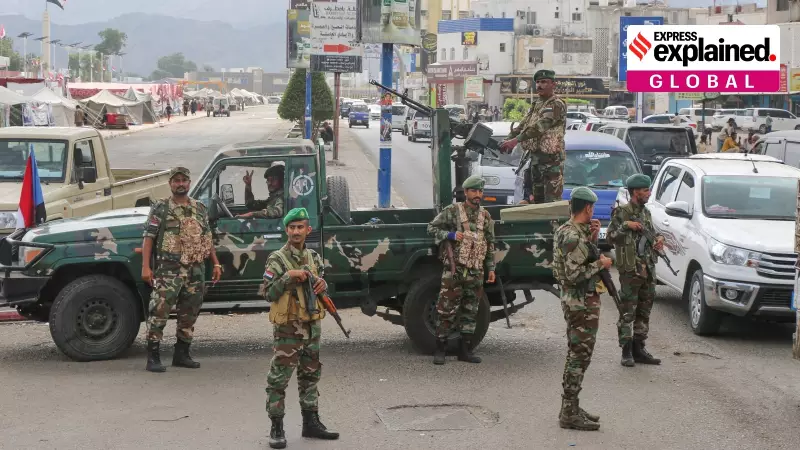
The rift turned into an open confrontation in December 2025. The STC, backed by the UAE, seized large swathes of territory in southern Yemen from the Saudi-backed, internationally recognized government, known as the President Leadership Council (PLC). Saudi Arabia viewed this advance, particularly into oil-rich regions like Hadramawt and Al Mahrah close to its border, as a direct threat.
The Escalation: Airstrikes and a Referendum Threat
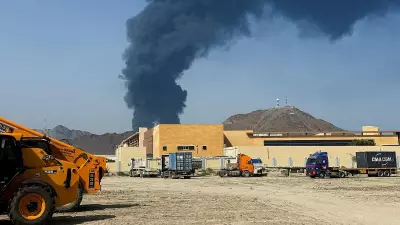
The situation escalated dramatically on December 30, 2025. The Saudi Arabian air force bombed the port city of Mukalla in Yemen after alleging that a shipment of weapons from the UAE had arrived there for the STC separatist forces. This strike marked a stark turning point, with one coalition partner directly attacking a position linked to the other's allies.
In response, the UAE stated it would withdraw its remaining troops from Yemen. Adding fuel to the fire, the STC declared on Friday, January 2, 2026, its intention to hold a referendum on independence within two years. This announcement came as Saudi-backed PLC forces fought to recapture the territories lost to the STC the previous month.
Who Controls What in Yemen's Fractured Landscape?
The conflict has splintered Yemen into several zones of control, dictated by complex tribal and political loyalties.
The Houthis, backed by Iran, control the national capital Sana'a and most of northern and western Yemen, including key areas like Saada and Al Hudaydah.
The Saudi-backed PLC governs territories such as Marib, Hadramawt, and Al Mahrah in the north and east, but its influence is shrinking under pressure from the STC's northward push.
The UAE-backed STC holds power in the south, including the crucial port city of Aden, as well as Lahj and parts of Abyan.
Furthermore, militant groups like Al Qaeda in the Arabian Peninsula maintain a presence in remote areas, posing a potential wildcard should they ally with any major faction.
Roots of the Divide: Competing Visions for Yemen's Future
The core of the Saudi-UAE rift lies in their fundamentally different strategic endgames for Yemen. Saudi Arabia's primary interest is stability on its southern border. It backs the PLC, led by Chairman Rashid al-Alimi, as the internationally recognized authority that can guarantee Saudi security interests and maintain a unified Yemeni state.
The UAE, however, has cultivated the STC as its primary proxy. The STC's goal is to re-establish the independent state of South Yemen, which existed until unification with the north in 1990. The UAE sees a friendly, independent south—with influence over the critical Bab el Mandeb shipping strait—as advantageous to its regional maritime and economic ambitions.
This divergence has turned the two Gulf powerhouses into sponsors of a bloody sub-conflict within the larger civil war. Meanwhile, the Houthi rebels remain the most powerful military force in Yemen, watching from the sidelines as their former adversaries fight each other.

The crisis leaves both Saudi Arabia and the UAE with a daunting challenge: reconciling their competing political visions while still facing the shared, unresolved threat of the Houthis. The path to de-escalation appears narrow, and the future of Yemen hangs in the balance of this Gulf rivalry.