The Supreme Court of India has issued a stern warning regarding the potential for a Fukushima-like nuclear disaster, questioning the adequacy of the current liability cap for nuclear operators. The court, while hearing a petition, emphasized that damages from a major nuclear incident in India could run into hundreds of times the existing limit.
Court's Concerns
The bench described the issue as 'very sensitive' and expressed concern that the current liability framework may be insufficient to cover the true extent of damages in the event of a catastrophic accident. The court referenced the 2011 Fukushima Daiichi nuclear disaster in Japan, which resulted in widespread contamination and economic losses estimated at hundreds of billions of dollars.
Legal and Policy Implications
The Supreme Court's observations come amid ongoing debates about India's nuclear liability regime. The Civil Liability for Nuclear Damage Act, 2012, caps operator liability at Rs 1,500 crore (approximately $180 million), with the government bearing additional costs. However, the court questioned whether this cap is realistic given the scale of potential damages.

Senior advocates appearing in the case argued that a major incident could lead to claims exceeding Rs 1.5 lakh crore (over $18 billion), far surpassing the current cap. The court noted that the liability cap might need to be revisited to ensure adequate compensation for victims and environmental remediation.
Global Context
The 2011 Fukushima disaster, triggered by a massive earthquake and tsunami, caused meltdowns at three reactors, releasing radioactive materials. Japan's government estimated the total cost of cleanup, compensation, and decommissioning at over $200 billion. The Supreme Court drew parallels, warning that India's densely populated areas near nuclear plants could face even greater challenges.
Reactions and Next Steps
The government has not yet officially responded to the court's observations. However, legal experts suggest that the court may direct the government to review the liability cap and consider international best practices. The case is scheduled for further hearing next month.
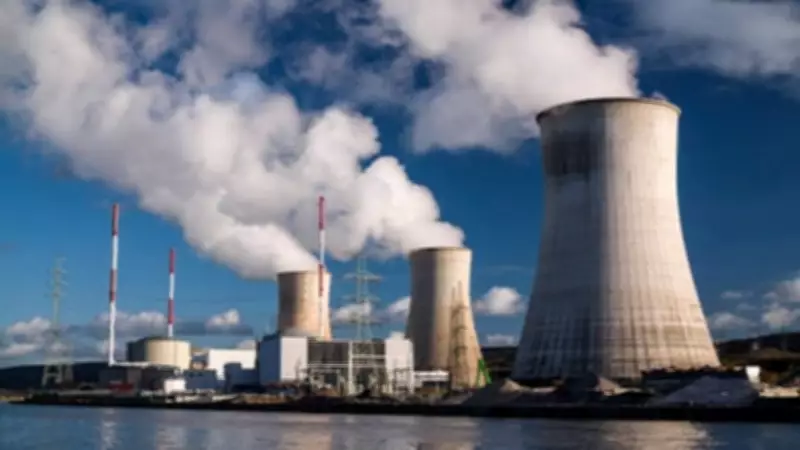
India currently operates 22 nuclear reactors with a combined capacity of 6,780 MW, with several more under construction. The court's remarks are likely to reignite the debate on nuclear safety and liability in the country.