In a significant diplomatic move aimed at calming regional tensions, the foreign ministers of Thailand and Cambodia convened in Beijing this week. The high-level meeting, hosted by Chinese officials, sought to solidify a fragile ceasefire agreement following recent deadly clashes along their shared border.
A Crucial Meeting in Beijing
The talks brought together Cambodian Foreign Minister Sok Chenda Sophea and his Thai counterpart, Foreign Minister Maris Sangiampongsa. The discussions, described as "frank and in-depth," were facilitated by China's Foreign Minister, Wang Yi. The primary objective was to build upon an existing ceasefire and prevent further escalation of violence that has plagued the border region.
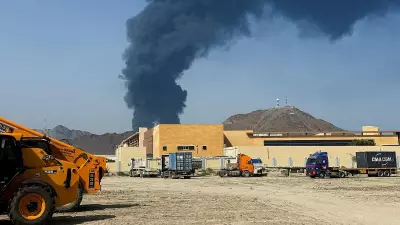
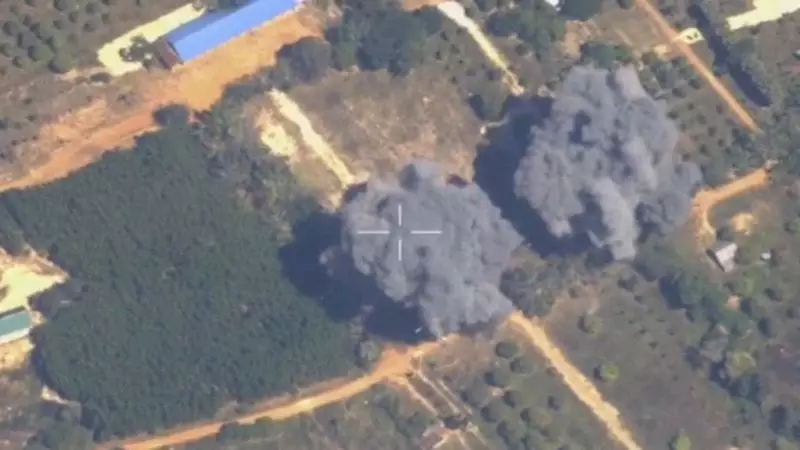
This diplomatic engagement comes in the wake of a serious flare-up in early May. Reports from the area indicated that at least four Thai paramilitary rangers lost their lives during intense exchanges of fire with Cambodian forces. The clashes centered around the contentious area surrounding the ancient Preah Vihear temple, a UNESCO World Heritage site that has been a persistent point of dispute for decades.

Roots of the Long-Standing Dispute
The conflict between the two Southeast Asian nations is not new. It is deeply rooted in a centuries-old territorial disagreement over land adjacent to the Preah Vihear temple complex. While the International Court of Justice (ICJ) awarded the temple itself to Cambodia in 1962, the ownership of the surrounding 4.6 square kilometers of land has remained fiercely contested.
This unresolved issue has repeatedly led to military confrontations, most notably in 2008 and 2011, when prolonged fighting resulted in numerous casualties and the displacement of thousands of civilians on both sides. The recent clashes demonstrate that the underlying tensions remain volatile, capable of reigniting with little warning.
China's Role as a Facilitator
The choice of Beijing as the venue for these talks underscores China's growing role as a diplomatic power broker in Southeast Asia. Both Thailand and Cambodia maintain strong economic and political ties with China, making it a seemingly neutral ground for sensitive discussions.
During the meeting, the ministers reportedly agreed on several key steps to manage the situation:
- Strictly adhering to and reinforcing the current ceasefire agreement.
- Enhancing communication channels between military commanders on the ground to avoid misunderstandings.
- Exploring longer-term mechanisms for border demarcation and dispute resolution.
The immediate focus, however, remains on de-escalation and ensuring the safety of soldiers and civilians in the border zone. Both nations have expressed a desire to avoid a full-scale conflict, which would have devastating humanitarian and economic consequences for the region.
The outcome of the Beijing meeting is being closely watched by ASEAN and the international community. A successful consolidation of the ceasefire could pave the way for more substantive talks on the core territorial issue. However, given the deep-seated historical and nationalistic sentiments involved, the path to a permanent resolution is likely to be long and complex. For now, the diplomatic efforts in China represent a crucial step back from the brink of further violence.