

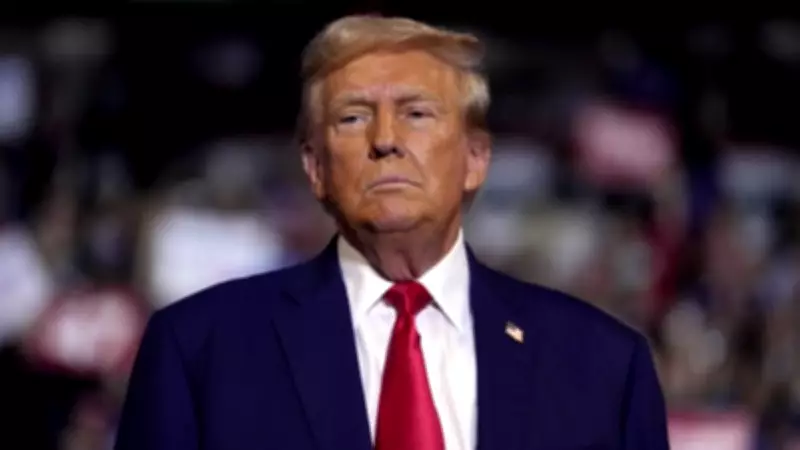
Former US President Donald Trump has claimed that Israel and Hezbollah have reached an agreement to halt attacks, stating that no Israeli troops will enter Beirut. This announcement comes amid heightened tensions in the region, with ongoing conflicts between the two sides. Trump made the statement during a press conference, emphasizing that the deal would prevent further escalation and protect civilian lives.
Details of the Agreement
According to Trump, the agreement includes a mutual cessation of hostilities, with both parties committing to refrain from offensive actions. He specifically noted that Israeli forces would not advance into the Lebanese capital, Beirut, which had been a point of contention. The former president did not provide specifics on the duration of the ceasefire or the mechanisms for enforcement.
Reactions from Involved Parties
Neither Israel nor Hezbollah has officially confirmed the agreement. Israeli officials have not commented on Trump's claims, while Hezbollah sources have remained silent. Analysts suggest that the announcement may be premature or part of broader diplomatic efforts. The United Nations and other international bodies have called for restraint and urged both sides to engage in meaningful dialogue.

Background of the Conflict
The Israel-Hezbollah conflict has a long history, with previous wars in 2006 and periodic skirmishes along the border. Recent months have seen an uptick in violence, including rocket attacks and airstrikes. The potential ceasefire could bring temporary relief to civilians on both sides, but underlying issues remain unresolved.
Implications for the Region
If the agreement holds, it could reduce the risk of a broader regional war. However, skepticism persists given Trump's lack of official role and the absence of confirmation from key parties. The development comes as the US continues to mediate in Middle Eastern affairs, though Trump's influence post-presidency is limited.
International observers are monitoring the situation closely. The European Union and Arab League have expressed cautious optimism, while urging all parties to adhere to any commitments made. The coming days will be critical in verifying the authenticity and durability of the reported accord.






