Trump Declines Condolences for Indian Seafarers Killed in US Strikes
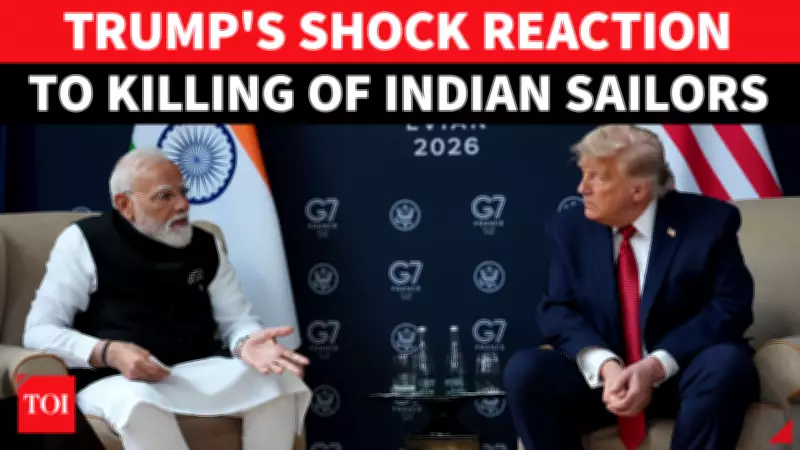
At the G7 summit in Évian-les-Bains, U.S. President Donald Trump faced questions regarding the deaths of three Indian sailors following U.S. strikes on tankers in the Strait of Hormuz. When asked if he had any message for the grieving families, Trump described the maritime profession as a "rough profession" and noted that such incidents have occurred throughout history. He added that the United States continues to work closely with partners on maritime security. These remarks came during a bilateral interaction with Indian Prime Minister Narendra Modi on Wednesday.
Background of the Incident
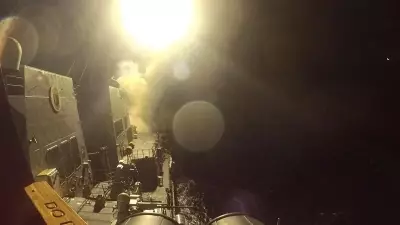
The three Indian seafarers lost their lives during U.S. military operations targeting tankers in the strategic Strait of Hormuz, a key waterway for global oil shipments. The incident has sparked outrage in India, with families demanding accountability and compensation. However, Trump's refusal to offer direct condolences has drawn criticism from Indian officials and the public.
Reactions from Indian Officials
Indian Prime Minister Narendra Modi, during his bilateral meeting with Trump, is reported to have raised the issue of the sailors' deaths. However, Trump's public comments suggest a lack of remorse, emphasizing the inherent risks of maritime work rather than addressing the specific tragedy. The Indian government has not yet issued an official statement on Trump's remarks.

International Context
The G7 summit, held in Évian-les-Bains, France, focused on global security and economic issues. Trump's comments come amid heightened tensions in the Middle East, particularly involving Iran and the Strait of Hormuz. The U.S. has been conducting operations in the region to ensure freedom of navigation, but the collateral damage has raised ethical questions.
Critics argue that Trump's dismissive tone undermines the value of human life and could strain U.S.-India relations. The incident adds to a series of diplomatic challenges between the two countries, including trade disputes and differences over climate policy.