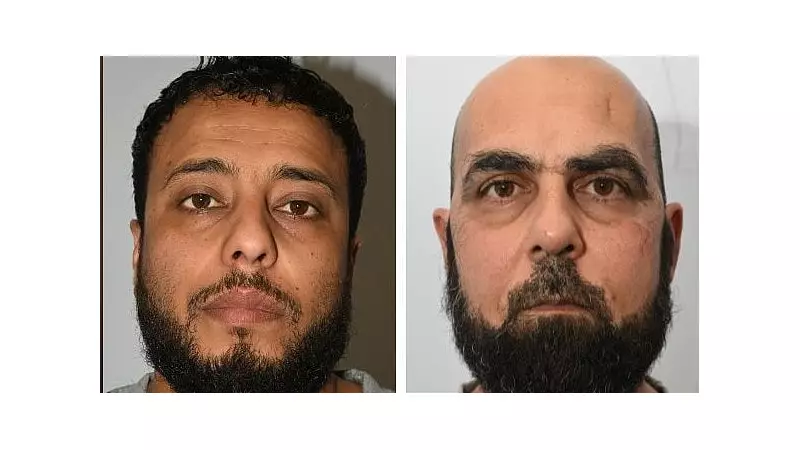
A British court has delivered a guilty verdict against two individuals for their roles in a chilling terrorist conspiracy. The plot, inspired by the Islamic State (IS), aimed to carry out a mass-casualty attack targeting Jewish communities in the United Kingdom.
The Verdict and the Foiled Conspiracy
The conviction, announced on 23 December 2025, marks the culmination of a major counter-terrorism investigation. The two men were found to have meticulously prepared to become martyrs in the service of the jihadist cause. Their plan involved killing hundreds of Jewish people, a scheme that security services successfully disrupted before it could be executed.
This case underscores the persistent and severe threat posed by Islamist extremist ideologies within Western nations. The defendants' intentions were directly linked to the propaganda and directives of the Islamic State, highlighting the group's continued ability to radicalise individuals remotely, even as its physical caliphate has diminished.

Global Context: ISIS Pride and Growing Fears
The UK verdict arrives against a troubling global backdrop. In a separate incident, the Islamic State issued a statement regarding recent attacks in Australia, describing them as a 'source of pride'. Although the group did not formally claim responsibility for those specific acts, its public endorsement has significantly amplified concerns among intelligence agencies worldwide.
Security experts warn that such rhetoric from ISIS central command can serve as a catalyst, potentially inspiring lone actors or coordinated cells to launch new waves of violence. The convergence of a successful prosecution in the UK and threatening statements from the terrorist organisation points to a heightened risk of violent Islamist extremism.
Implications for Security and Community Relations
The foiled plot has profound implications. Firstly, it validates the ongoing vigilance of UK security forces in identifying and neutralizing complex terror threats. Secondly, it places a spotlight on the safety of minority communities, particularly Jewish populations, who remain high-priority targets for extremist groups.
Community leaders and law enforcement are now tasked with reinforcing protective measures while fostering social cohesion to prevent polarization. The case serves as a stark reminder that the ideology of groups like the Islamic State remains a potent and dangerous force, capable of motivating individuals to plan atrocities on home soil.
As nations grapple with this evolving threat landscape, the focus remains on robust intelligence-sharing, community engagement, and counter-radicalisation strategies to prevent such plots from moving beyond the planning stage.