The United Kingdom has stepped back from its planned comprehensive crackdown on Russian oil products entering the country through third-party nations. The government confirmed on Wednesday that new restrictions on imports of jet fuel and diesel refined from Russian crude will be introduced gradually rather than all at once as originally envisioned.
Reason for the Policy Shift
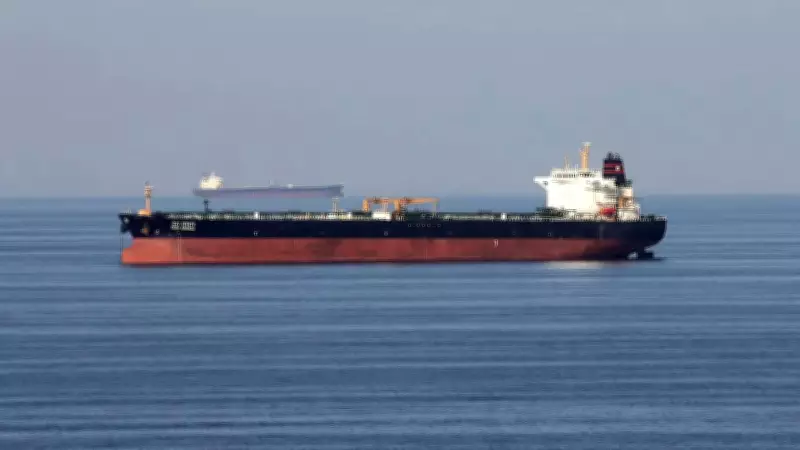
According to the BBC, the shift comes as the closure of the Strait of Hormuz, following the conflict between the United States and Iran, has disrupted global energy supplies and pushed fuel costs to their highest levels since December 2022. Petrol at UK forecourts averaged 158.5 pence per litre this week, according to the RAC.
Government Justification
Prime Minister Keir Starmer defended the decision in the House of Commons, stating that the measures amount to new sanctions being phased in rather than existing ones being removed. He described the step as a short-term response to the energy market instability caused by the Middle East conflict. Business minister Chris Bryant told MPs that the government was "ratcheting up the pressure on the Russian regime" but needed to implement sanctions in a phased way given current market conditions. The UK also issued a license allowing Russian LNG to continue moving through sanctioned shipping routes until January 1.

Criticism from Within and Abroad
The policy shift drew immediate criticism from within Labour's own ranks. Emily Thornberry, chair of the foreign affairs select committee, said Ukraine had long seen Britain as one of its most important allies and did not understand the decision. Ukraine's own sanctions commissioner, Vladyslav Vlasiuk, said he understood the rationale but disagreed with the approach, warning that temporary exemptions could still generate revenues for Russia's war effort. Conservative leader Kemi Badenoch posted on X that Britain was now "importing from Russia instead of drilling in the North Sea."
Similar Move by the United States
The Guardian reported that the decision follows a similar move by the United States, where Treasury Secretary Scott Bessent extended a 30-day waiver allowing purchases of Russian oil already at sea.
Impact on Russian Oil Imports
The Centre for Research on Energy and Clean Air estimated that around £1.8 billion worth of oil products made from Russian crude had entered the UK via India and Turkey since the first ban took effect in December 2022. The latest decision effectively keeps that route open for now, with India and Turkey remaining the two main refining hubs for Russian crude reaching British markets.