

UK Weighs Deployment of Thousands of 'Octopus' Interceptor Drones to Middle East to Counter Iranian Threats
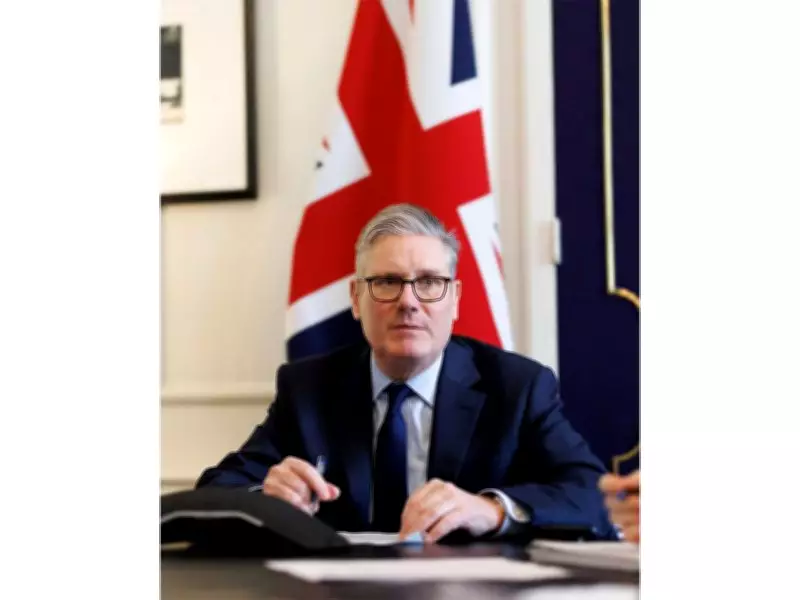
British Prime Minister Keir Starmer is actively considering the deployment of thousands of advanced interceptor drones to the Middle East, according to a recent report by The Telegraph. This strategic move aims to address escalating threats from Iran, particularly its Shahed drones, as regional tensions continue to mount.
Redirection of Cutting-Edge Equipment
UK defence officials are currently assessing the possibility of redirecting state-of-the-art military equipment, initially earmarked for Eastern Europe, to meet new demands in the Middle East. Specifically, military experts are evaluating the 'Octopus' interceptor anti-drone system, a UK-produced technology designed to support Ukraine against Russian threats. The system could be repurposed to enhance British protections against Iran's drone capabilities, offering a robust defence mechanism in a volatile region.
US Call for Naval Cooperation
This consideration for advanced drone deployment coincides with a call from US President Donald Trump for international partners, including the United Kingdom, to deploy naval forces to assist in maintaining the security of the Strait of Hormuz. Utilising his Truth Social platform, Trump urged nations affected by maritime interference to position warships alongside the United States as hostilities with Tehran persist.

'Many countries, especially those affected by Iran's attempted closure of the Hormuz Strait, will be sending warships, in conjunction with the United States of America, to keep the strait open and safe,' Trump wrote, highlighting the critical importance of this waterway for global energy supplies.
Strategic Importance of the Strait of Hormuz
The Strait of Hormuz serves as a vital artery connecting the Persian Gulf to the Gulf of Oman, acting as one of the most significant conduits for global energy transportation. Approximately 20 per cent of the world's oil, amounting to nearly 20 million barrels daily, moves through this strait. However, since the commencement of US-Israeli military operations two weeks ago, multiple vessels have reportedly been targeted, leading to severe logistical disruptions and a spike in global fuel costs.
Asymmetrical Threats and Military Response
While President Trump asserted that Tehran's conventional military strength has been neutralised, he cautioned that the region remains vulnerable to asymmetrical threats, such as drone attacks, which the UK's 'Octopus' system might effectively counter. 'We have already destroyed 100% of Iran's military capability, but it's easy for them to send a drone or two, drop a mine, or deliver a close-range missile somewhere along, or in, this waterway,' he posted, underscoring the ongoing risks.
To address these lingering dangers, Trump indicated that American forces would persist with aggressive military measures to restore navigation through the route. 'In the meantime, the United States will be bombing the hell out of the shoreline, and continually shooting Iranian boats and ships out of the water. One way or the other, we will soon get the Hormuz Strait open, safe, and free,' he stated, reflecting a firm stance against Iranian provocations.
Iran's Response and Diplomatic Tensions
Tehran has dismissed these claims, labelling assertions of its military collapse as based on 'fabricated lies.' In response to the request for assistance and the ongoing maritime threat, a spokesperson for the UK Ministry of Defence confirmed that London is reviewing its strategy. 'We are currently discussing with our allies and partners a range of options to ensure the security of shipping in the region,' the spokesperson said, indicating a collaborative approach to regional security.

Previous Friction Between US and UK Leaders
This latest appeal for British support and the UK's subsequent evaluation follows previous friction between President Trump and Prime Minister Starmer. Trump had earlier criticised the UK leader for abstaining from the initial wave of strikes, which has complicated current diplomatic efforts. 'The United Kingdom, our once great ally, is finally giving serious thought to sending two aircraft carriers to the Middle East,' Trump wrote last week, adding, 'That's OK, Prime Minister Starmer, we don't need them any longer - but we will remember.'
Although the UK declined to participate in the opening strikes that reportedly claimed the life of former Supreme Leader Ali Khamenei, Starmer has maintained his stance on independent military action. Addressing MPs, the Prime Minister stated, 'President Trump has expressed his disagreement with our decision not to get involved in the initial strikes, but it is my duty to judge what is in Britain's national interest.' This highlights the delicate balance between international cooperation and national sovereignty in defence matters.





