

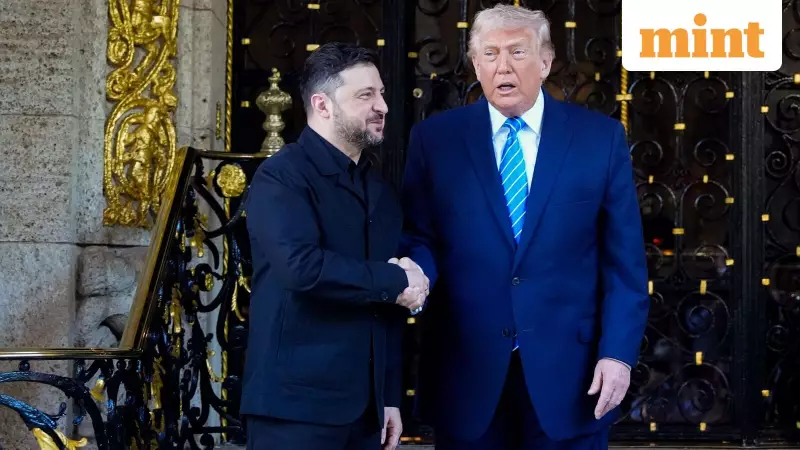
As the devastating conflict in Eastern Europe approaches its fourth anniversary in February 2025, a fragile but significant ray of hope has emerged. High-level diplomatic negotiations are currently in progress, aiming to forge a path to peace and prevent a fifth year of brutal warfare between Russia and Ukraine.
The Core Elements of a Potential Peace Deal
The framework under discussion presents a difficult compromise for both nations. For a durable truce to hold, Kyiv may have to cede control over some Ukrainian territory. In return, Moscow would need to accept a critical condition regarding the remainder of the country. The proposed settlement envisions the bulk of Ukraine functioning under a security guarantee from the West, effectively making it a protectorate of the NATO alliance without formal membership.
Ukraine's primary demand remains the safeguarding of its sovereignty, backed not just by treaty pledges from Russia but by the concrete military might of Western nations. Reports indicate that the United States appears prepared to extend or enable a security shield for this precise purpose. However, this would stop short of granting Ukraine full admission into the North Atlantic Treaty Organization.

The Steep Costs and the Hardest Hurdle
The financial and defensive burdens of this potential peace will be substantial. America's European allies, who are keen to welcome the embattled nation into the European Union, will likely shoulder a significant portion of the costs. This includes sharing much of the ongoing defence burden and bearing a sizeable chunk of the massive bills required to rebuild Ukraine's shattered infrastructure and cities.
Yet, the most contentious issue remains the territorial settlement. Russia has long coveted the entire Donbas region in eastern Ukraine, including areas it does not currently occupy. While Kyiv has previously proposed solutions like a neutral zone for Donbas, Moscow's ambitions seem broader, leaning towards the annexation of all parts of Ukraine where Russian speakers form a majority.
A Call for Flexibility to End the Bloodshed
The editorial perspective underscores that maps should not be redrawn with blood. However, with an immense amount of bloodshed since the invasion began in February 2022, any workable deal that can silence the guns must be seriously considered. The outline suggests that if NATO pledges to halt its eastward expansion and Ukraine agrees to territorial concessions, a lasting ceasefire could be achievable.
The conclusion is a direct appeal for pragmatism: both warring sides must demonstrate flexibility now. The opportunity for peace, however painful the compromises, presents a chance to end a conflict that has destabilised global security and economy. The world watches as diplomats work against time to translate this glimmer of hope into a tangible reality before the war enters another grim year.






