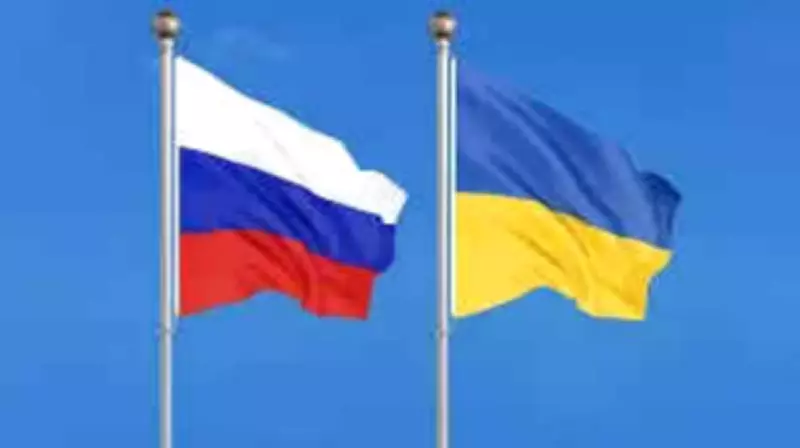
In a significant development amid the ongoing conflict, Ukraine has declared its readiness to reciprocate after Russia agreed to a request from US President Trump to temporarily halt airstrikes on the capital city of Kyiv. This pause, set to last until February 1, comes as harsh winter temperatures plunge below minus 15 degrees Celsius, exacerbating the humanitarian crisis in the region.
No Formal Truce, Says Zelensky
Despite the temporary cessation of bombings, Ukrainian President Volodymyr Zelensky emphasized on Friday that there is no formal truce between the two warring nations. He clarified that while Russia has shifted its focus to targeting Ukrainian logistics infrastructure, Kyiv is prepared to halt its attacks on Russian refinery facilities in response. Zelensky described this move as "an opportunity rather than an agreement," highlighting the fragile nature of the current situation.
Kremlin's Stance on Peace Talks
The Kremlin stated that President Vladimir Putin accepted Trump's request to stop bombarding Kyiv in order to create "favourable conditions" for potential peace talks. This decision follows relentless Russian strikes on energy infrastructure in Kyiv, which have left hundreds of thousands of residents without heating during one of the coldest winters in recent memory. As the Ukrainian capital braces for another bitterly cold spell starting Sunday, the humanitarian impact remains severe.

IAEA Addresses Nuclear Safety Concerns
In a related development, the International Atomic Energy Agency (IAEA) held a special session on Friday to discuss escalating risks to nuclear safety in Ukraine. The urgent meeting of the IAEA's board of governors was convened at the request of the Netherlands, with support from 11 other countries, amid growing concerns that continuous Russian attacks on energy infrastructure could lead to a nuclear accident.
Diplomatic Efforts and Winter Challenges
Washington has been actively pushing for a diplomatic solution to end the war, with this temporary halt in airstrikes seen as a step towards de-escalation. However, the harsh winter conditions pose additional challenges, as thousands struggle without basic amenities. The situation underscores the complex interplay between military actions, diplomatic maneuvers, and humanitarian needs in the conflict zone.
As the world watches closely, the coming weeks will be critical in determining whether this temporary pause can pave the way for more sustained peace efforts or if hostilities will resume with renewed intensity.