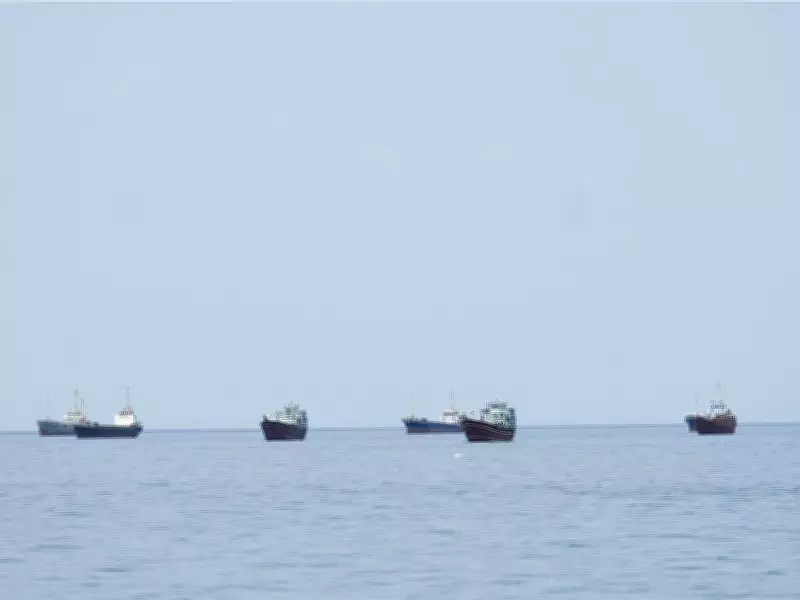
The United Nations has sounded an urgent alarm over a deepening humanitarian crisis in the Persian Gulf, where approximately 20,000 seafarers remain stranded amid a prolonged regional stalemate. The situation has escalated as crew members face severe restrictions, dwindling supplies, and mounting psychological distress.
UN Calls for Immediate Action
In a recent statement, UN officials highlighted the dire conditions aboard vessels, with many seafarers unable to disembark due to ongoing geopolitical tensions and port closures. The organization has urged all parties involved to prioritize the welfare of these workers and facilitate their safe repatriation.
According to reports, the stranded individuals include citizens from various countries, many of whom have been at sea for months beyond their contracts. The lack of access to medical care, fresh water, and adequate food has raised serious concerns about their health and safety.

Humanitarian Impact
The UN emphasized that the crisis is not only a logistical challenge but also a humanitarian one. Seafarers are experiencing extreme fatigue, anxiety, and isolation. Some have reported incidents of abandonment by shipping companies, leaving them without pay or means of communication with their families.
- Over 20,000 seafarers are trapped on ships in the Persian Gulf.
- Many have been stranded for months due to regional disputes.
- Access to basic necessities like food, water, and medical care is severely limited.
The International Maritime Organization (IMO) has also expressed concern, calling for a collaborative approach to resolve the impasse. The IMO noted that the crisis violates international maritime conventions that protect seafarers' rights.
Call for Regional Cooperation
UN agencies are working with governments and shipping companies to find a solution. However, progress has been slow due to the complex political landscape. The UN has called for a temporary humanitarian corridor to allow for crew changes and repatriation.
The situation in the Persian Gulf highlights the broader vulnerabilities of the global shipping industry, which relies heavily on the movement of seafarers across borders. The pandemic and regional conflicts have exacerbated these challenges.
As the stalemate continues, the UN warns that without immediate intervention, the humanitarian toll could worsen, leading to potential health emergencies and even loss of life. The organization has reiterated its commitment to supporting the stranded seafarers and their families.