

The Flawed Logic of Unconditional Surrender in the Iran Conflict
The phrase "unconditional surrender" evokes historical echoes of decisive wartime conclusions, such as the end of World War II. However, its recent resurgence in Washington's demands toward Tehran is meeting with skepticism from experts like political scientist Francis Fukuyama. He argues that this approach is unrealistic, given Iran's complex political and military landscape.
Trump's Demands and the Reality of Iranian Governance
Former President Donald Trump recently called for Iran's "UNCONDITIONAL SURRENDER," promising economic revitalization under new leadership, encapsulated in the slogan "Make Iran Great Again." This demand raises critical questions about the war's objectives: is it aimed at dismantling nuclear programs, toppling leadership, or reshaping Iranian society? Trump has avoided explicit "regime change" rhetoric, but his language implies it, creating shifting purposes from nuclear containment to liberation.
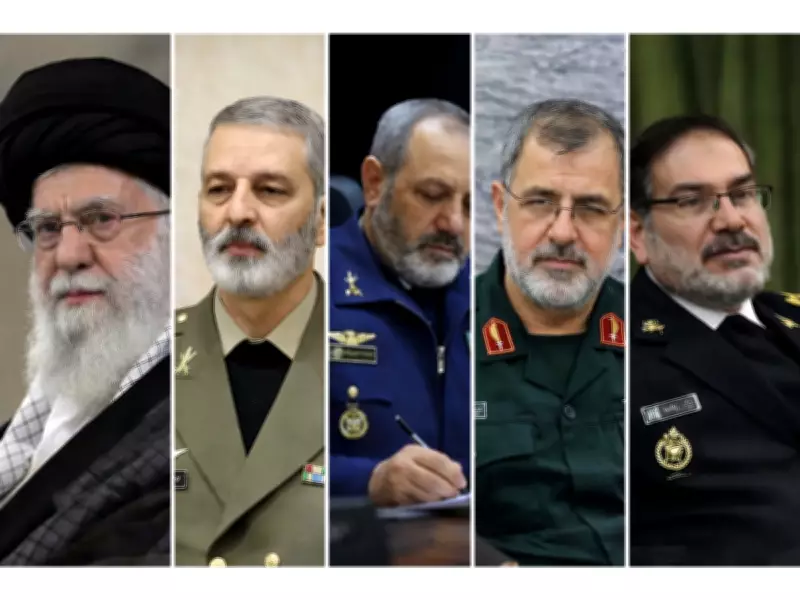
Fukuyama critiques this by highlighting Iran's decentralized power structure. Unlike Japan in 1945, Iran lacks a coherent political order capable of surrender. Its security apparatus is split among the Islamic Revolutionary Guard Corps (IRGC), Basij militia, and regular armed forces, each with distinct loyalties. After US and Israeli strikes targeted key leaders, command coherence has further eroded. Fukuyama notes, "Iran's forces are highly decentralized," making enforced surrender unlikely as it would threaten the regime's survival, with armed groups resisting disarmament to avoid political extinction.

Historical Lessons on Air Power and Surrender
Fukuyama points to historical precedents where air power alone failed to force political surrender. During World War II, bombing German cities did not break Nazi will; occupation was necessary. Similarly, in Gaza, despite extensive bombardment, Hamas persists. Only in rare cases, like Japan with atomic bombs or Serbia in 1999, did bombing lead to political outcomes, often requiring ground presence. Iran, being vast and resilient, can absorb losses and continue retaliation, with thousands of fighters retaining residual capacity.
The Ideological Backdrop: From Fukuyama to Huntington
To understand current dynamics, revisiting post-Cold War debates is essential. Fukuyama's "The End of History" suggested liberal democracy as the final ideological stage, influencing policies that promoted democratic spread for stability. Trump's promises to Iran echo this, assuming regime change leads to economic integration and peace. However, critics like Samuel P. Huntington argued for civilizational conflicts based on cultural identities, while Benjamin Barber highlighted tensions between globalization ("McWorld") and local resistance ("Jihad").
In practice, the world has diversified, with China, Russia, and India following non-Western models. Iran exemplifies resistance, founded on rejecting Western absorption. Demands for surrender misunderstand this ideological terrain, as Tehran views it as a threat to sovereignty and identity, not an opportunity for improvement.
Strategic Implications and Future Scenarios
If Iran does not capitulate, the US faces grim options: withdraw after degrading capabilities, escalate with ground forces, or expand bombing to civilian infrastructure. None align with the clarity of "unconditional surrender." Fukuyama suggests Trump may have favored the phrase for its sound without considering repercussions. Ultimately, the war lacks a clear objective; the US can weaken Iran but cannot easily end the Islamic Republic or control post-conflict outcomes.
This analysis underscores that unconditional surrender in Iran is a strategic misstep, likely leading to prolonged conflict rather than neat resolution.






