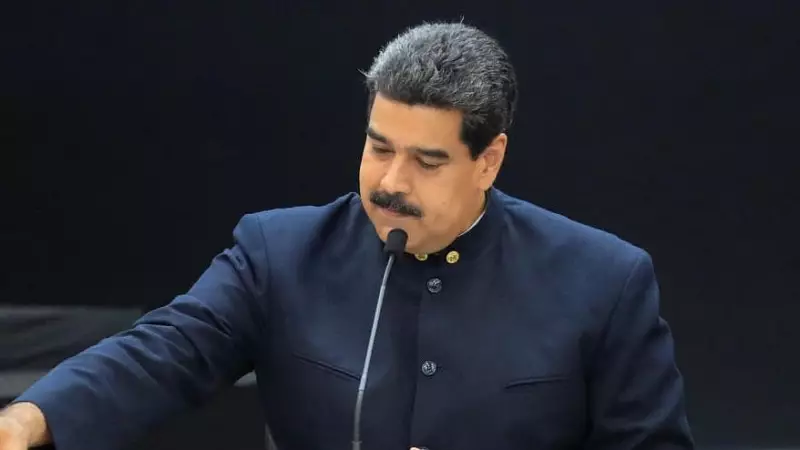
In a significant international legal development, United States prosecutors have levelled serious accusations against Venezuelan President Nicolas Maduro. The indictment, which became public in early January 2026, alleges that Maduro and his close political allies actively facilitated the operations of major transnational drug trafficking organisations.
Core Allegations in the US Indictment
The formal charges present a detailed picture of state-sponsored support for narcotics networks. According to the legal documents filed by US authorities, Nicolas Maduro and his associates are accused of providing "law enforcement cover and logistical support" to powerful criminal groups. This alleged support system is said to have enabled these organisations to move large quantities of illegal drugs with impunity through and from Venezuelan territory.
The indictment specifically names two notorious criminal syndicates as beneficiaries of this purported arrangement. The first is the Sinaloa Cartel, one of Mexico's most infamous and powerful drug trafficking organisations. The second is the Tren de Aragua gang, a sprawling criminal network that originated in Venezuela's prisons and has expanded its operations across Latin America. The charges suggest a direct collaboration between the Venezuelan leadership and these groups, fundamentally implicating the state apparatus in international narcotics trade.

Timing and Source of the Accusations
The news regarding these grave charges was disseminated globally by the international news agency Reuters on 05 January 2026. The report, timestamped at 12:21 IST, brought these long-simmering allegations into sharp public focus. While the US has previously imposed sanctions on Maduro's government, this indictment marks a formal escalation, framing the actions as criminal conspiracy under US law.
The legal move is seen by many analysts as a continuation of the intense political and economic pressure Washington has maintained on Caracas for years. It transforms diplomatic and economic disputes into a direct criminal allegation against the sitting head of state, setting a complex geopolitical and legal precedent.
Potential Global Repercussions and Reactions
The implications of this indictment are vast and multifaceted. For Venezuela, it deepens its isolation from Western nations and could complicate any future diplomatic negotiations. For the United States, it represents a bold application of its legal system to a foreign leader, a move that is often controversial in international law circles.
The charges also cast a spotlight on the operational reach of cartels like Sinaloa and gangs like Tren de Aragua, suggesting their influence extends to the highest levels of government in some nations. This development is likely to influence regional security policies in Latin America and could lead to calls for more coordinated international action against state-corroding criminal enterprises.
As of now, the Venezuelan government has consistently denied any involvement in or support for drug trafficking, dismissing such accusations as politically motivated fabrications aimed at regime change. The issuance of this formal indictment, however, ensures that these allegations will remain a central issue in Venezuela's fraught relationship with the United States and its allies for the foreseeable future.