

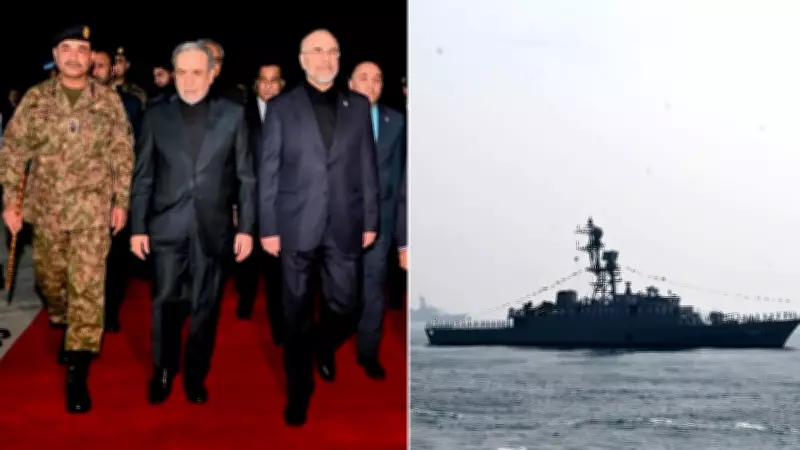
US-Iran Peace Talks Enter Second Day in Islamabad Amid Escalating Tensions
Top-level peace negotiations between the United States and Iran have entered a critical second day in Islamabad, with discussions stretching past midnight as both sides grapple with deep-seated mistrust and high-stakes geopolitical pressures. The talks, led by US Vice President JD Vance and Iranian Parliament Speaker Mohammad Bagher Qalibaf, mark the most direct high-level engagement between the two nations since the 1979 Islamic Revolution, occurring just days after a fragile ceasefire halted a conflict that had destabilized the Middle East and rattled global markets.
Strait of Hormuz Becomes Flashpoint in Negotiations
A major point of contention centers on the Strait of Hormuz, a vital waterway through which approximately one-fifth of the world's oil transits. The United States has increased pressure by announcing the deployment of minesweeping vessels to clear the strait, a move aimed at ensuring safe passage for tankers and countering Iran's tightened control over the route. US President Donald Trump acknowledged these operations, stating that reopening the strait is necessary for global stability, despite the US importing relatively little oil from the Gulf.
In response, Iran has issued a stern warning through its Islamic Revolutionary Guard Corps (IRGC) Navy, asserting that any military vessels attempting to pass through the Strait of Hormuz will be "dealt with severely." Iranian authorities clarified that safe passage during the ceasefire applies only to civilian ships under specific conditions, and they have denied US claims that American warships have already transited the waterway. This standoff has sent global oil prices higher, adding significant political and economic pressure to the ongoing diplomatic efforts.

Trump's Defiant Stance and Claims of Victory
Amid the negotiations, President Trump struck a defiant tone, downplaying the importance of reaching a deal with Iran. In remarks to reporters, he insisted that the United States has already secured victory by targeting Iran's leadership and military infrastructure during the recent conflict. "Whether we make a deal or not makes no difference to me. The reason is because we've won," Trump declared. He emphasized that the US is engaged in "deep negotiations" but maintained that America's position remains strong regardless of the outcome.
Trump's comments reflect a broader strategy of leveraging military successes to shape diplomatic terms, even as his administration participates in talks aimed at de-escalating tensions. This approach has drawn criticism from some analysts who warn that it could undermine trust and complicate efforts to achieve a lasting peace agreement.
Delegations and Key Demands in the Islamabad Talks
The US delegation in Islamabad includes Vice President Vance, along with Special Envoy Steve Witkoff and senior advisor Jared Kushner, both of whom were involved in earlier negotiations on Iran's nuclear program. On the Iranian side, the 70-member team is led by Parliament Speaker Qalibaf and includes Foreign Minister Abbas Araghchi, signaling Tehran's serious intent to reach an agreement despite historical grievances.
Iran has presented several key demands in the talks, including:
- The unfreezing of sanctioned assets held abroad.
- An end to Israel's military campaign against Hezbollah in Lebanon.
However, Washington has indicated that these issues, particularly those related to Lebanon, will not be addressed in the current round of discussions. This has created a significant hurdle, as Iran views these conditions as essential for any comprehensive agreement.
Atmosphere of Mistrust and Regional Implications
Despite reports from a Pakistani official that the talks are "progressing in the right direction" with a "cordial" atmosphere, deep mistrust persists between the two sides. Qalibaf highlighted Iran's past experiences with US negotiations, describing them as marked by "failure and broken promises." In contrast, Vance stressed Washington's willingness to negotiate "in good faith" but warned against any attempts by Iran to "play" the United States during the discussions.

The regional implications of the talks are profound. Israel has maintained that its ceasefire with Iran does not extend to Lebanon, where strikes against Hezbollah continue. Lebanese authorities report that the death toll from Israeli attacks has exceeded 2,000, underscoring the ongoing humanitarian crisis. Israeli Prime Minister Benjamin Netanyahu has expressed a desire for a lasting peace deal with Lebanon but has ruled out a ceasefire with Hezbollah for now, further complicating the diplomatic landscape.
Security and Diplomatic Stakes in Islamabad
Security has been significantly tightened across Islamabad as Pakistan hosts these high-stakes negotiations. The country's involvement reflects its regional interests and desire to shape the diplomatic outcome, positioning itself as a key mediator in Middle Eastern conflicts. The direct engagement between US and Iranian officials in Islamabad, rather than through intermediaries, represents a notable shift in diplomatic practice and highlights the urgency of the situation.
As talks continue, the world watches closely, with outcomes likely to influence global oil markets, regional stability, and the future of US-Iran relations. The combination of military posturing, economic pressures, and fragile diplomacy sets the stage for a pivotal moment in international affairs.





