

US and Israel Explore Ground Troop Deployment to Secure Iran's Nuclear Material
The United States and Israel are actively weighing the possibility of deploying special forces inside Iran to secure the country's stockpile of highly enriched uranium. This consideration arises from growing concerns that the nuclear material could still be accessed by Iranian authorities despite previous extensive airstrikes targeting Iranian nuclear facilities. The discussions highlight the escalating tensions and strategic calculations in the ongoing regional conflict.
Trump Leaves Door Open for Ground Troop Involvement
Speaking to reporters aboard Air Force One, US President Donald Trump did not rule out the idea of sending ground troops into Iran, though he emphasized that such a move would only be contemplated under exceptional circumstances. "At some point maybe we will. That would be a great thing," Trump stated when questioned about securing Iran's nuclear material. He added, "Right now we're just decimating them, but we haven't gone after it. We wouldn't do it now. Maybe we will do it later." These remarks underscore the administration's flexible approach to military options as the conflict evolves.
Special Forces Raid Under Serious Discussion
According to detailed reports, the US and Israel have explored the feasibility of sending special operations troops into Iran to seize the country's stockpiles of highly enriched uranium. The plan, as reported by the New York Times, would likely involve elite commando units tasked with locating and securing nuclear material stored at key facilities. Such a high-risk operation would only be considered after sustained airstrikes sufficiently weaken Iranian air defences and military capabilities.

Officials indicate that the Trump administration has debated two primary options for handling the uranium stockpile:
- One possibility involves physically removing the material from Iran entirely to neutralize the threat.
- Another option would deploy nuclear specialists to dilute the uranium on-site, rendering it unusable for weapons development.
A separate proposal reportedly includes seizing Kharg Island, a major hub responsible for nearly 90% of Iran's crude oil exports. Capturing this island could cripple Tehran's energy revenues, applying additional economic pressure on the Iranian government alongside military actions.
Significant Risks and Strategic Considerations
Any commando operation inside Iran would carry substantial risks, including potential casualties and escalation. Military planners believe Iran's remaining air defences and missile capabilities must be degraded further before a ground raid could be attempted with reasonable safety. Trump acknowledged these risks while suggesting the option remains viable. "If we ever did that, they would be so decimated that they wouldn't be able to fight at the ground level," he remarked, indicating confidence in US military superiority.
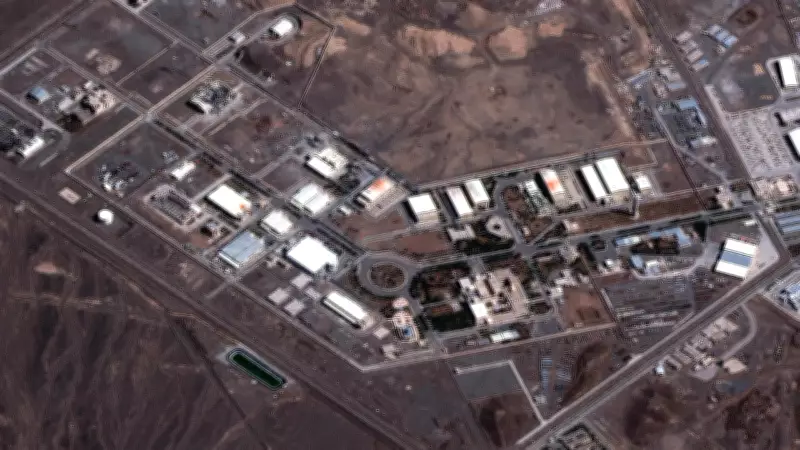
The debate over securing Iran's nuclear material has intensified following intelligence assessments suggesting Tehran could still retrieve its main stockpile of enriched uranium. US intelligence agencies believe the material is buried beneath the nuclear complex at the Isfahan Nuclear Technology Center, which sustained heavy damage in American strikes last year but may not be fully inaccessible.
Regional Conflict Continues to Escalate
The discussions about securing Iran's nuclear assets occur as the broader conflict expands across West Asia. Israeli airstrikes have targeted fuel depots and military infrastructure in Tehran, while the Israeli military reports striking facilities linked to the Islamic Revolutionary Guard Corps. Concurrently, Iran and allied groups have launched missiles and drones toward Israel and several Gulf states, including Bahrain, Saudi Arabia, and the United Arab Emirates.

Iranian President Masoud Pezeshkian apologized for strikes on neighbouring countries, even as hard-line figures signalled that Tehran's war strategy would persist. Trump, meanwhile, has maintained that the US campaign is weakening Iran's military, claiming American strikes have destroyed much of Tehran's naval and aerial capabilities and significantly reduced its missile production. "We're winning the war by a lot," he asserted. "We've wiped out their navy, their air force and most of their missiles."
The potential deployment of special forces represents a critical juncture in the conflict, blending high-stakes military strategy with diplomatic and geopolitical ramifications. As both sides assess their next moves, the focus on Iran's nuclear program underscores the enduring priority of non-proliferation in global security calculations.





